
10 Retaining Wall Design Ideas for Sloped Yards
A sloped yard can limit how you use your property. The furniture does not sit properly, and outdoor dining or lounge areas feel unstable. Water runs toward areas you want to protect, pooling near foundations, washing out mulch, or cutting channels through planting beds. Lawn sections go unused because the grade feels too steep to enjoy, maintain, or even walk across comfortably. Over time, erosion and drainage issues can make you hesitant to invest in patios or gardens, because you are not sure the ground will hold up. You may see potential, but without structure, the space feels incomplete and disconnected from how you want to live outdoors. The slope controls how you move instead of supporting the way you want to gather, relax, and use your property. That is where thoughtful retaining wall design ideas begin to reshape your yard.
Well-planned retaining wall design ideas add stability and purpose. They create usable levels, manage water flow, and support patios and walkways intentionally so your landscape feels planned rather than patched together. A properly designed retaining wall for sloped yard conditions can reduce erosion, protect investments like patios and planting beds, and create outdoor zones that feel comfortable and safe. If you want a deeper understanding of how retaining walls, patios, walkways, and drainage come together in one cohesive plan, read our landscape design and build guide for a complete outdoor living space. Continue reading for retaining wall design ideas that show how structure and lifestyle work together.
1. Terraced Retaining Walls For Multi-Level Yards
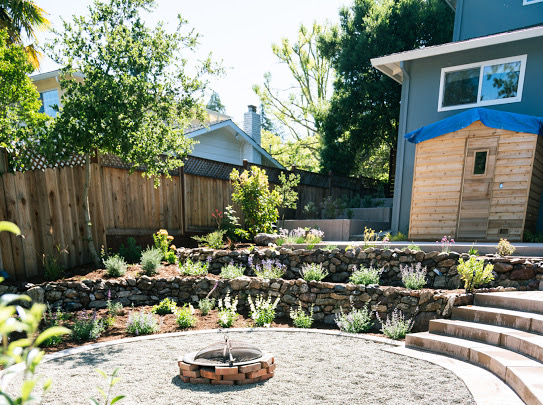
Terracing is one of the most practical retaining wall design ideas for sloped properties, especially when the slope is long or uneven. Instead of installing one tall wall, you divide the grade into manageable levels that feel natural and approachable. These terraced retaining wall ideas create flat spaces that can serve distinct purposes. One terrace may hold a patio for dining. Another can support lawn space for play or pets. A third might become a planting bed with shrubs, perennials, or ornamental grasses. With thoughtful retaining wall design ideas, the yard feels structured rather than restricted, and each level has a clear reason to exist.
For a retaining wall for sloped yard challenges, terracing reduces structural pressure and improves drainage by breaking up the slope into smaller rises. It also makes maintenance easier, because you are no longer fighting gravity when mowing, planting, or mulching. Layered planting between levels softens stone or block and adds seasonal interest. These retaining wall landscaping ideas balance stability with greenery, helping the walls feel integrated rather than imposed. Installing tiered walls increases usable outdoor space and long-term value, especially when the terraces are designed to support patios, walkways, lighting, and irrigation. Properly planned retaining wall design ideas turn steep slopes into functional outdoor rooms that invite you to use the full yard.
2. Modern Wood Retaining Walls With Clean Lines
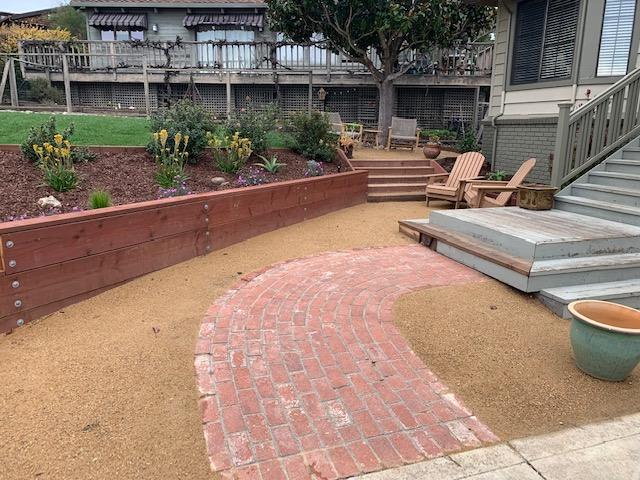
Modern retaining wall ideas often focus on simplicity, consistent geometry, and materials that feel warm without being busy. Wood-based retaining wall design ideas using redwood introduce natural color and texture while maintaining strong, clean lines. Horizontal boards create visual direction that can make the yard feel wider and more intentional, which is especially effective alongside contemporary architecture. These retaining wall design ideas rely on proportion and alignment. Height, spacing, and clean corners matter, and the details around caps, edges, and transitions make the difference between “temporary” and “tailored.” In smaller yards, wood retaining wall design ideas define planting beds or support raised patios without overpowering the space.
Some modern retaining wall ideas combine wood with steel I-beams for reinforcement, particularly when the grade is steep or the wall must carry additional loads. Steel strengthens the wall while wood softens its appearance, creating a crisp, modern look that still feels natural. These blended retaining wall design ideas perform well on steeper grades when paired with correct footing depth, drainage, and proper fastening. Proper drainage and installation protect longevity, helping prevent moisture issues behind the wall. When executed carefully, these retaining wall design ideas provide durability and a clean aesthetic that complements surrounding patios and walkways.
3. Natural Stone Retaining Walls For Elevated Properties

Natural stone retaining wall design ideas offer permanence, texture, and a sense of craftsmanship. Each stone carries variation, adding depth without excess detail, and that variation often makes the wall feel more “settled” into the landscape. On elevated properties, these retaining wall design ideas visually anchor the home and create a strong transition between built space and sloped terrain. Retaining wall landscaping ideas using limestone or granite blend naturally with planting beds and surrounding grade changes. For a retaining wall for sloped yard conditions, stone often feels grounded and appropriate, especially when the property has natural rock, mature trees, or a more traditional exterior style.
These retaining wall design ideas can be formal with cut blocks and tight joints, or more relaxed with irregular placement and a natural edge. When paired with pavers or flagstone, the entire space feels cohesive because the hardscape materials speak the same visual language. Drainage remains essential. Even elegant retaining wall design ideas must manage water movement so hydrostatic pressure does not build behind the wall. With proper preparation, compaction, and backfill, natural stone walls perform reliably over time and become a lasting focal point in the yard.
4. Retaining Walls Integrated With Patios
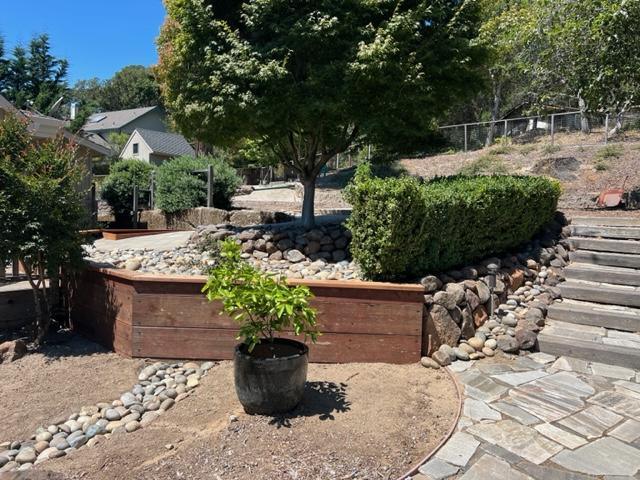
Effective retaining wall with patio ideas treat both elements as one design decision. Instead of building separately, you plan them together so the patio elevation, wall height, and transitions align cleanly. Retaining wall design ideas that support raised patios create stable surfaces for gathering, dining, or cooking while improving the overall flow of the yard. Lower terraces can step away from the home gradually, creating a sense of openness rather than a single abrupt drop. These retaining wall design ideas guide movement naturally, making the space feel comfortable and intuitive.
Walls can frame patio edges, support planters, or include subtle seating, lighting, and grade transitions that feel built-in rather than added later. Integrated retaining wall design ideas feel cohesive and intentional because the structure is doing multiple jobs: holding grade, defining space, and shaping how you use the patio. If you are planning surfaces and structure together, professional patios help ensure alignment. The strongest retaining wall design ideas support the full outdoor layout, including drainage paths, walkway connections, and room for planting.
5. Seated Retaining Walls
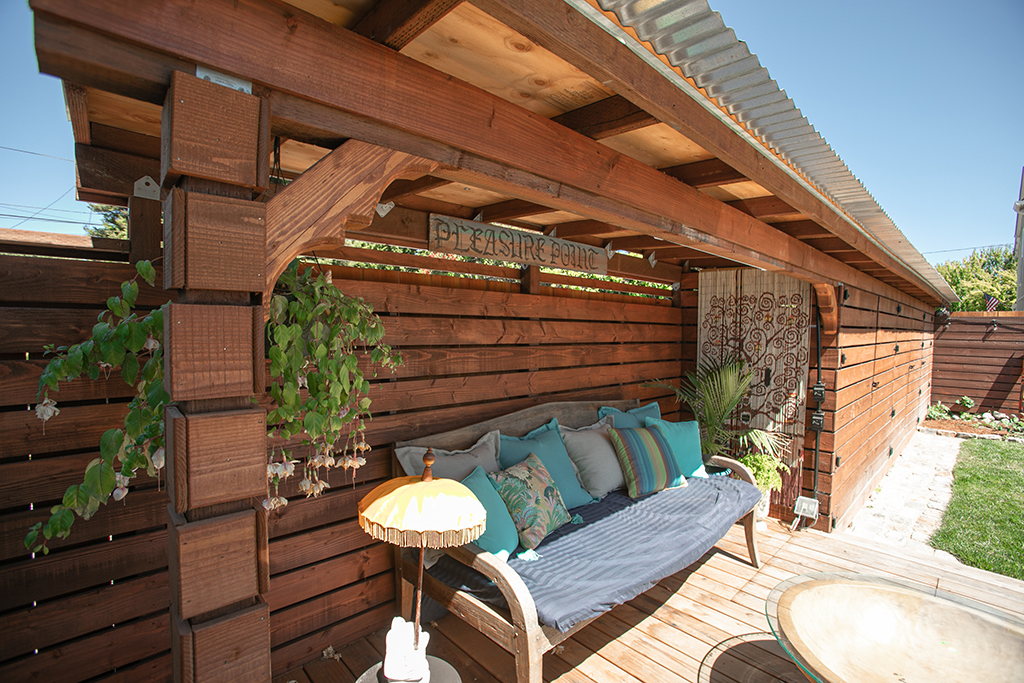
Seated retaining wall design ideas combine structure and function, which is ideal when space is limited or you want a clean, uncluttered layout. Instead of separate benches, the wall itself provides seating, keeping patios and gathering areas open and efficient. These retaining wall design ideas often surround patios or fire features where people naturally want to sit and talk. A smooth cap adds comfort and durability, and the cap material can match your patio or steps for a unified look.
Backyard retaining wall inspiration frequently centres on gathering, and seating walls support that lifestyle without requiring extra furniture or dedicated bench areas. Seated retaining wall design ideas expand seating without reducing lawn or planting space, and they can help define zones subtly while maintaining openness. Proper proportions matter, including seat height, cap width, and where the wall meets walkways or patio edges. Well-executed retaining wall design ideas improve usability while preserving refinement and clean design.
6. Curved Retaining Walls That Soften Sloped Landscapes
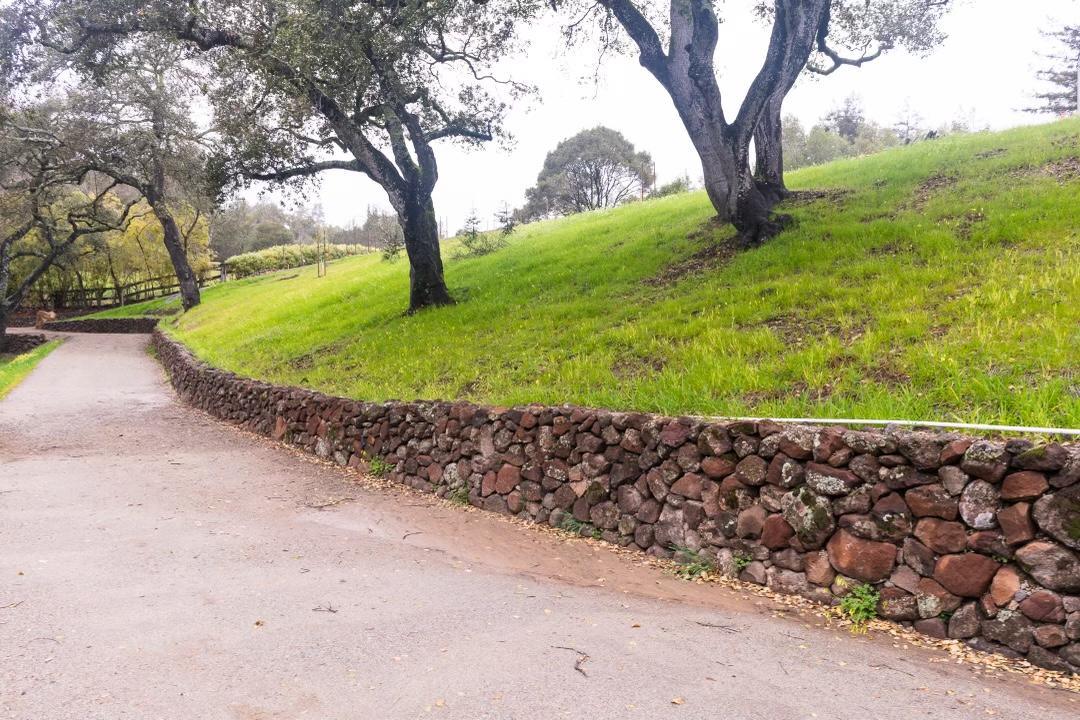
Curved retaining wall design ideas introduce movement and soften steep transitions, which can be especially helpful when the yard has organic shapes or existing trees and planting beds. Instead of rigid lines that cut across the grade, curves follow natural contours and make the slope feel less harsh. For a retaining wall for sloped yard conditions, curved walls reduce visual tension and can create a more welcoming pathway through the landscape. These retaining wall design ideas pair well with layered planting that reinforces flow, such as shrubs, grasses, and perennials that echo the curve.
Precision layout is critical, because curves must be consistent and stable across changing elevations. Drainage remains essential regardless of form, especially where water may collect along the inside of a curve. Carefully executed curved retaining wall design ideas remain stable and visually balanced, and they often create some of the best backyard retaining wall inspiration because the results feel custom and intentional.
7. Retaining Walls With Integrated Steps
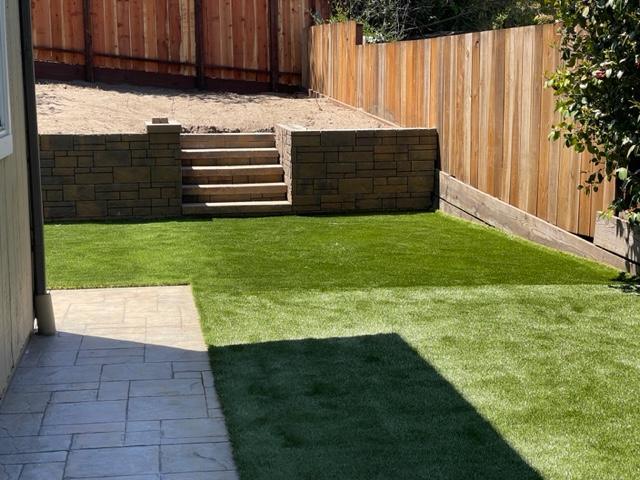
Elevation changes require smooth transitions, and steps are often the difference between a yard that looks good and a yard that feels easy to use. Retaining wall design ideas that include built-in steps create seamless connections between levels, making multi-tier yards feel like one cohesive space. Terraced retaining wall ideas often rely on integrated steps to link patios, lawns, garden terraces, and side-yard pathways. The goal is to make moving between levels feel natural, not like you are navigating an obstacle course.
Correct tread depth and riser height ensure comfort and safety, and materials should coordinate with the wall and patio so the steps feel like part of the original design. These retaining wall design ideas make circulation natural, and integrated transitions strengthen the overall layout by visually and physically tying each level together. When steps, walls, and landings are planned as one system, the entire yard reads as intentional and complete.
8. Block Retaining Walls
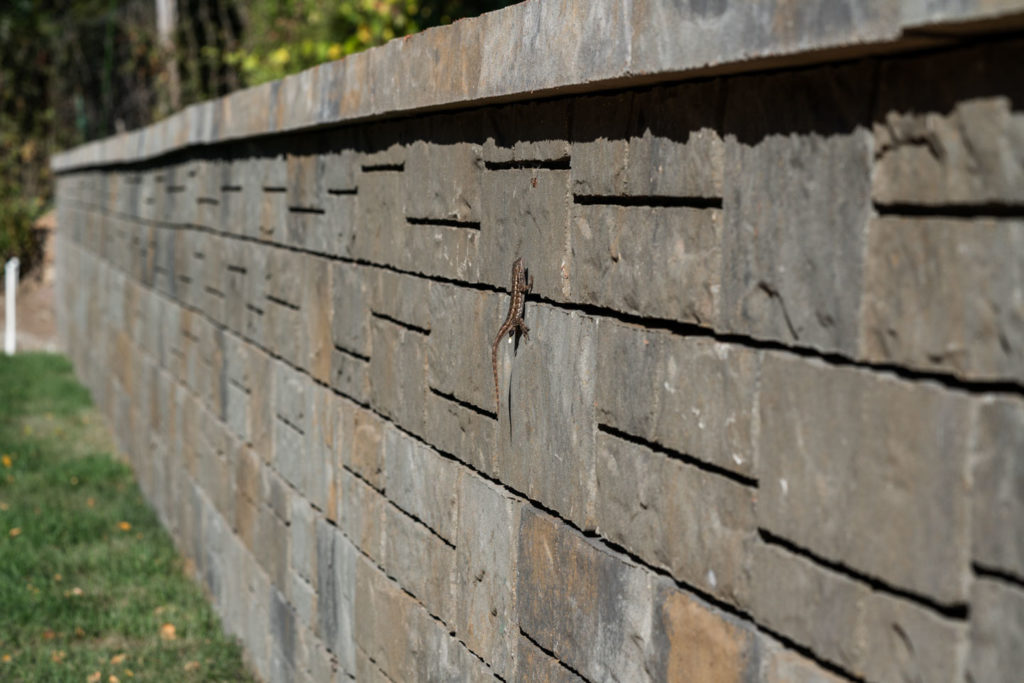
Block systems remain a reliable retaining wall design idea for significant grade changes. Modern retaining wall ideas using engineered blocks provide consistency and structural strength. These retaining wall design ideas range from textured finishes to smooth contemporary styles. For retaining wall landscaping ideas requiring clean alignment, blocks offer precision. Proper base preparation and drainage layers are essential. With professional custom landscape design services, these retaining wall design ideas deliver long-term stability.
9. Retaining Walls That Improve Drainage Control
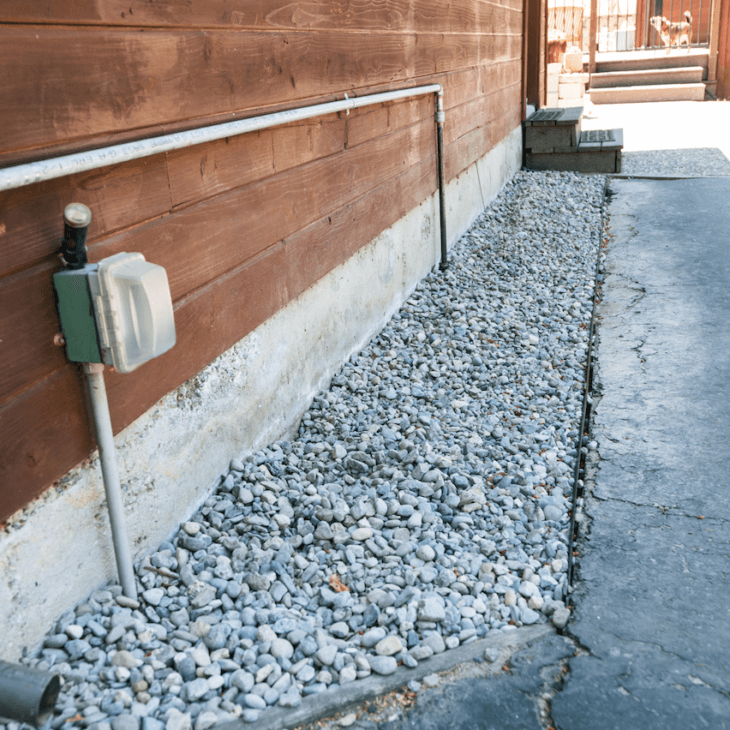
Effective retaining wall design ideas prioritize drainage, because water is typically the biggest long-term risk on sloped properties. If water is trapped behind a wall, pressure builds, and performance suffers. On sloped properties, managing water protects both structures and landscaping by keeping soil in place and reducing saturation. These retaining wall design ideas include gravel backfill, drainage fabric, and drainage pipe to relieve pressure and direct water safely away.
For a retaining wall for sloped yard conditions, redirecting water reduces erosion and soil movement, and it also helps patios remain level and planting beds thrive. Drainage planning can include grading swales, tying into existing systems, and designing patios and walkways to shed water properly. When drainage is addressed early, you avoid costly repairs later, and the entire landscape performs better through storms and seasonal changes. Strong retaining wall design ideas protect your investment by treating water management as part of the structure, not an afterthought.
10. Retaining Wall Materials To Consider
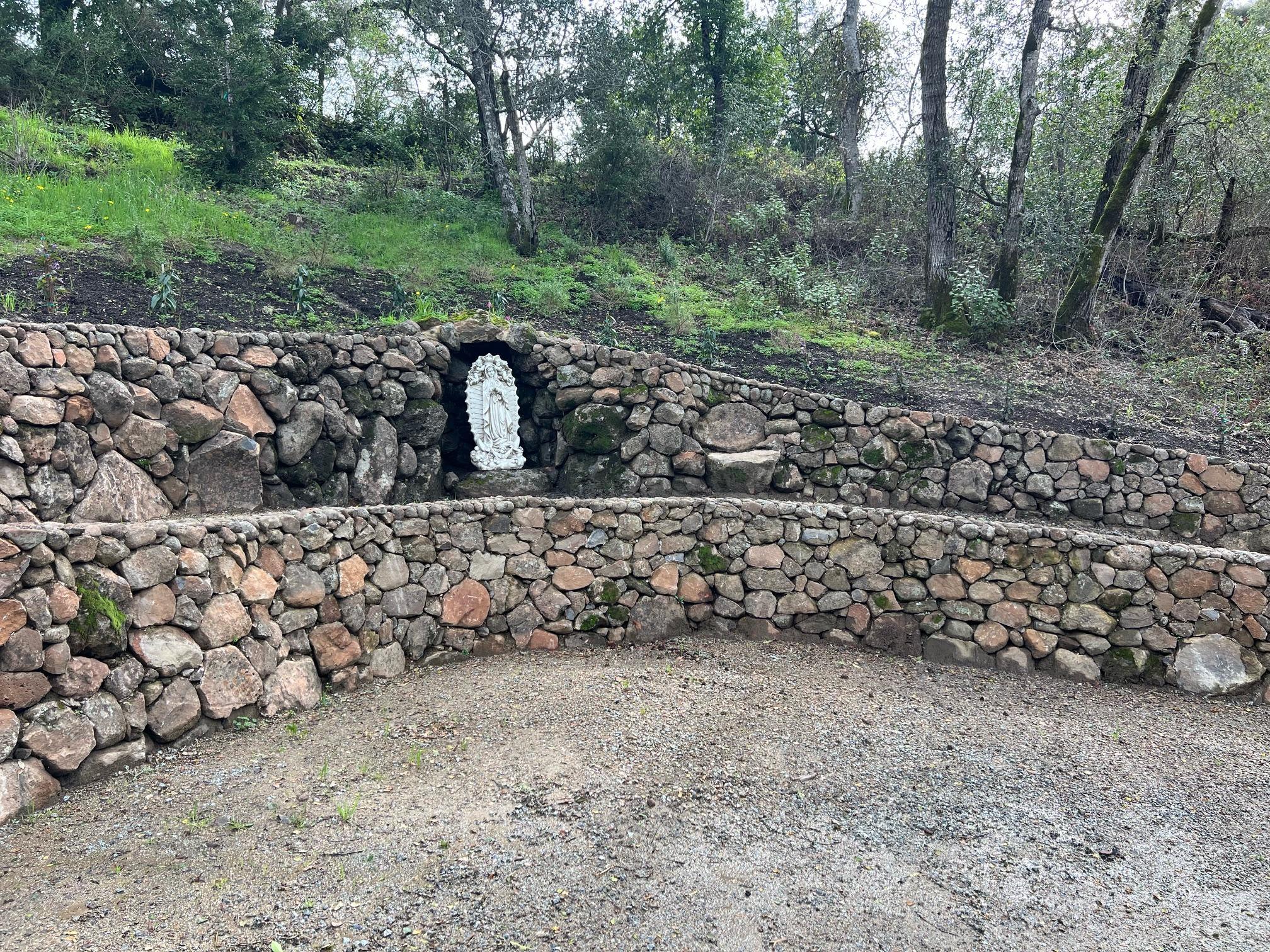
Material selection shapes both performance and appearance. Natural stone offers weight and character. Blocks provide uniformity. Wood adds warmth. Each material supports different retaining wall design ideas depending on slope and architectural style. Installing a retaining wall increases usable space and can enhance property value. When walls, patios, and walkways work together, the full design becomes clear. These retaining wall design ideas form the structural foundation of your outdoor living space. If you are ready to move forward with these retaining wall design ideas, you can request your estimate today!
Summary
The right retaining wall design ideas help you manage slopes, improve drainage, and create usable outdoor space that feels stable, inviting, and easy to maintain. A well-designed retaining wall for sloped yard conditions does more than hold soil in place. It reshapes how you use the property by creating level zones for patios, gardens, play areas, and pathways, while also reducing erosion and protecting the areas you care about most. When retaining wall landscaping ideas are planned with drainage, grading, and circulation in mind, the yard becomes safer and more comfortable, not just more attractive.
If you are drawn to terraced retaining wall ideas, the benefit is clear separation of space and improved function across multiple levels, which is ideal for steep or long slopes. If you prefer modern retaining wall ideas, cleaner lines and contemporary materials can make a sloped yard feel refined and intentionally designed, especially when walls align with patios, steps, and architectural features. And if your plan includes entertaining or outdoor dining, retaining wall with patio ideas can create a stable gathering space while the wall provides structure, definition, and sometimes even built-in seating.
By applying retaining wall design ideas thoughtfully, your yard becomes structured, functional, and cohesive. The goal is not simply to “fix” a slope, but to turn it into an asset that supports outdoor living. With the right combination of materials, layout, and drainage planning, you can gain lasting backyard retaining wall inspiration that translates into real, usable square footage and a landscape that performs well season after season.

