
FAQs: Retaining Wall Construction
If your yard has slopes, erosion, or uneven grades, you may be wondering whether retaining wall construction is the right solution. A shifting hillside can limit how you use your property and affect the long-term stability of your landscape. Over time, poor grading can lead to water pooling near your foundation or soil washing into garden beds. These problems often start small but become more noticeable each season. Clear information helps you decide whether a wall is necessary and what the process involves.
This FAQ guide answers common questions in straightforward language. You will learn how walls are built, how drainage works, and what to expect from start to finish. If you are considering retaining wall construction, the details below will help you move forward with clarity.
What Is The Retaining Wall Construction Process?
The retaining wall construction process begins with planning. Your contractor reviews grades, soil conditions, and how the wall connects to patios or walkways. Proper layout ensures the structure supports both the land and the overall design. Excavation comes next. Soil is removed to the required depth, which often raises the question: how deep should a retaining wall base be? In many residential applications, the base includes 6 to 12 inches of compacted granular material beneath the first course, though taller walls may require greater depth depending on engineering and soil conditions.
Retaining wall base preparation follows excavation. A crushed stone base is installed in layers and compacted thoroughly. This step supports long-term stability. If you are researching how to build a retaining wall step by step, the sequence usually includes excavation, base installation, levelling the first row, stacking with proper setback, and backfilling with drainage stone. The full retaining wall construction process also includes checking alignment and compaction throughout each stage. For a broader understanding of how retaining walls fit into patios, walkways, and grading plans, read Landscape Design and Build Guide for a Complete Outdoor Living Space.
Why Is A Solid Foundation Important For A Retaining Wall?
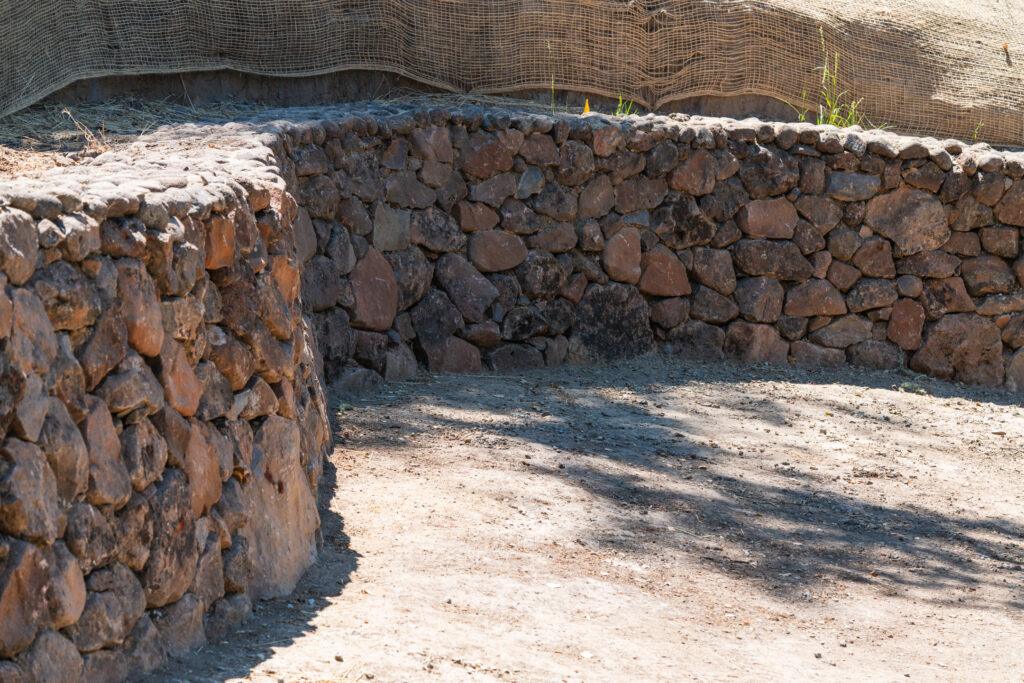
A strong base is essential to retaining wall construction, as the entire structure depends on what lies beneath it. Even high-quality materials can shift if the base is uneven or poorly compacted. Retaining wall base preparation distributes weight evenly and reduces the risk of settling. It also helps the wall resist pressure from saturated soil. Many homeowners ask, how deep should a retaining wall base be? The answer depends on wall height, soil type, and local conditions, but depth and compaction are always priorities.
Careful retaining wall construction includes excavation to stable ground and the installation of a properly compacted granular base. Phil remains closely involved in projects because these unseen details matter. He left a legal career to build meaningful spaces outdoors. Being present on site allows him to check levels, review compaction, and ensure every layer is installed with care.
Do Retaining Walls Need Drainage?
Yes. Drainage is a critical part of any wall that holds back soil. Without proper water management, pressure builds behind the structure and can lead to cracking or movement. Effective retaining wall drainage details typically include:
– Clear stone backfill directly behind the wall
– A perforated drain pipe at the base
– Filter fabric to separate soil from drainage stone
– Surface grading that directs water away
During retaining wall construction, the drain pipe is positioned at the lowest point behind the wall and directed to daylight or an approved drainage outlet. These retaining wall drainage details allow water to flow freely rather than build up. In many cases, retaining wall drainage details are what separate a short-term fix from a long-lasting installation. When drainage is installed correctly, you reduce hydrostatic pressure and extend the life of the structure.
What Materials Are Used In Retaining Wall Construction?
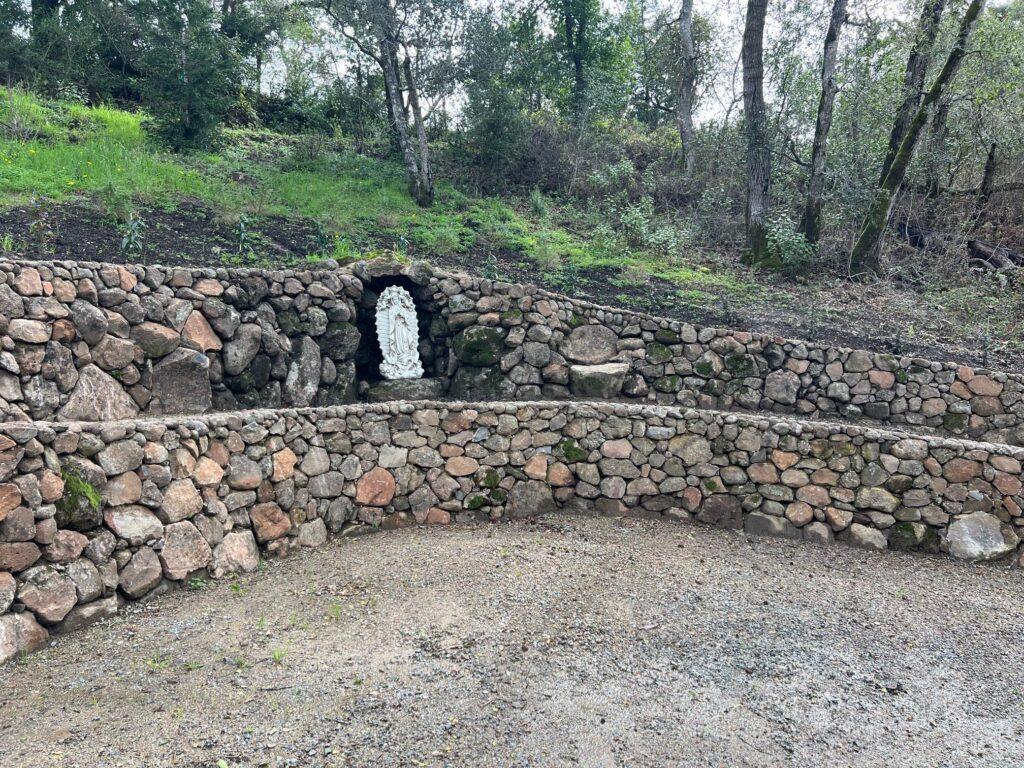
Several materials are commonly used in retaining wall construction, each offering distinct benefits in appearance, durability, and cost. Segmental concrete blocks are widely used because they interlock and provide consistent structural strength at a moderate cost. Natural stone offers a timeless appearance and pairs beautifully with wood features, but it is typically the most expensive option due to material and installation labour. Poured concrete can be appropriate in certain structural applications, while timber is often a more economical choice for smaller garden walls.
Budget often plays a significant role in material selection. While natural stone creates a premium look, segmental block or timber walls can provide strong performance at a lower cost, allowing homeowners to balance appearance, durability, and overall project investment.
When selecting wood, thicker lumber such as 3×12 boards is often preferred because it provides a longer service life than smaller dimensions. Stone and block generally last longer than timber. The right material for your project depends on aesthetics, longevity, and how the wall integrates with other hardscape features. Thoughtful retaining wall construction considers both structural needs and visual harmony. If you are planning a larger outdoor project, Landscape Design and Build Guide for a Complete Outdoor Living Space explains how hardscapes, drainage, and structural elements work together.
How Long Does A Retaining Wall Last?
The lifespan of retaining wall construction depends on material choice, soil conditions, drainage, and installation quality. Concrete block and natural stone walls can last several decades when built correctly. Timber walls typically have a shorter lifespan, though thicker lumber can improve durability.
Drainage also plays a major role. Proper retaining wall drainage details reduce pressure and moisture exposure, helping the structure remain stable. When the base is well prepared and water is managed effectively, retaining wall construction performs reliably for many years. Routine inspection is helpful. Checking for movement, cracks, or drainage blockages allows you to address small concerns before they become larger structural issues.
When Is Engineering Required For A Retaining Wall?
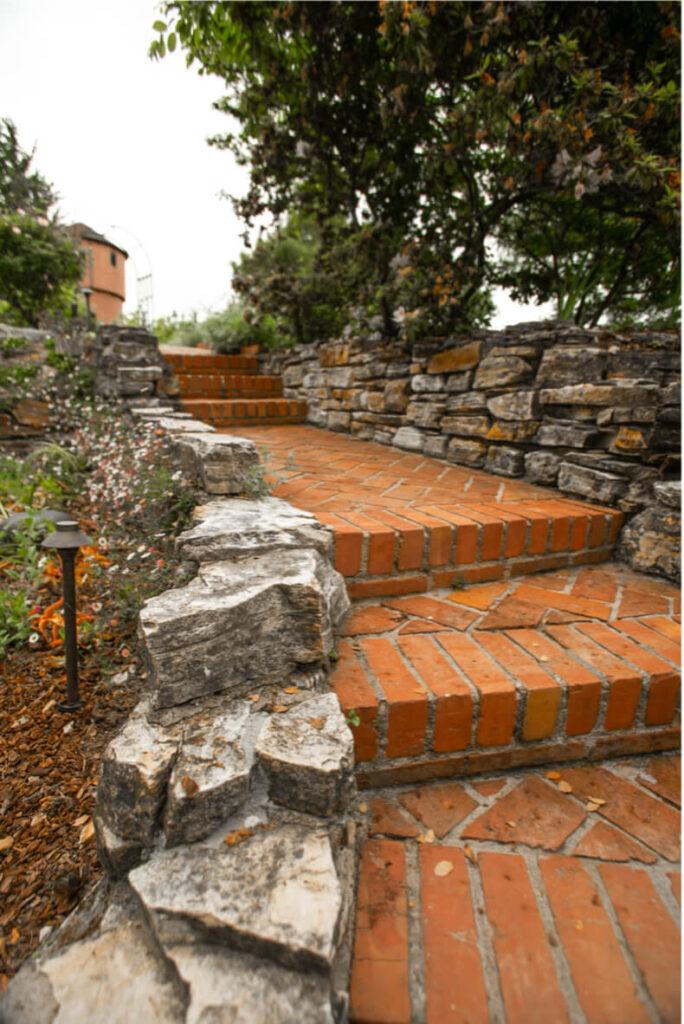
Engineering is often required when a wall exceeds a certain height. In many municipalities, structures over 3 to 4 feet require permits and may need engineered drawings. Local regulations vary, so you should confirm requirements specific to your area. Engineering may also be recommended when the wall supports a driveway, structure, or significant slope. Reinforcement methods such as geogrid layers can be added to increase strength and stability.
If you are planning a retaining wall for a sloped yard, engineering input can help address soil pressure and load distribution. In larger applications, geogrid reinforcement becomes part of the retaining wall construction process to tie the wall back into the slope. Proper approvals ensure the wall meets safety standards and local codes.
How Does Soil Type Affect Construction?
Soil type directly affects how walls are designed and built. Clay soils retain moisture and expand, increasing pressure behind the wall. Sandy soils drain more easily but may shift if not compacted correctly. Before work begins, soil conditions are assessed. This evaluation influences excavation depth, base thickness, and reinforcement strategy. If you are researching how to build a retaining wall step by step, soil assessment is one of the earliest and most important steps.
Certain soils may require deeper excavation or thicker retaining wall base preparation to ensure long-term stability. In challenging conditions, reinforcement layers are incorporated into the retaining wall construction process to improve performance. Understanding soil behaviour allows you to make informed decisions about structure and drainage.
How Are Retaining Walls Built On Sloped Yards?
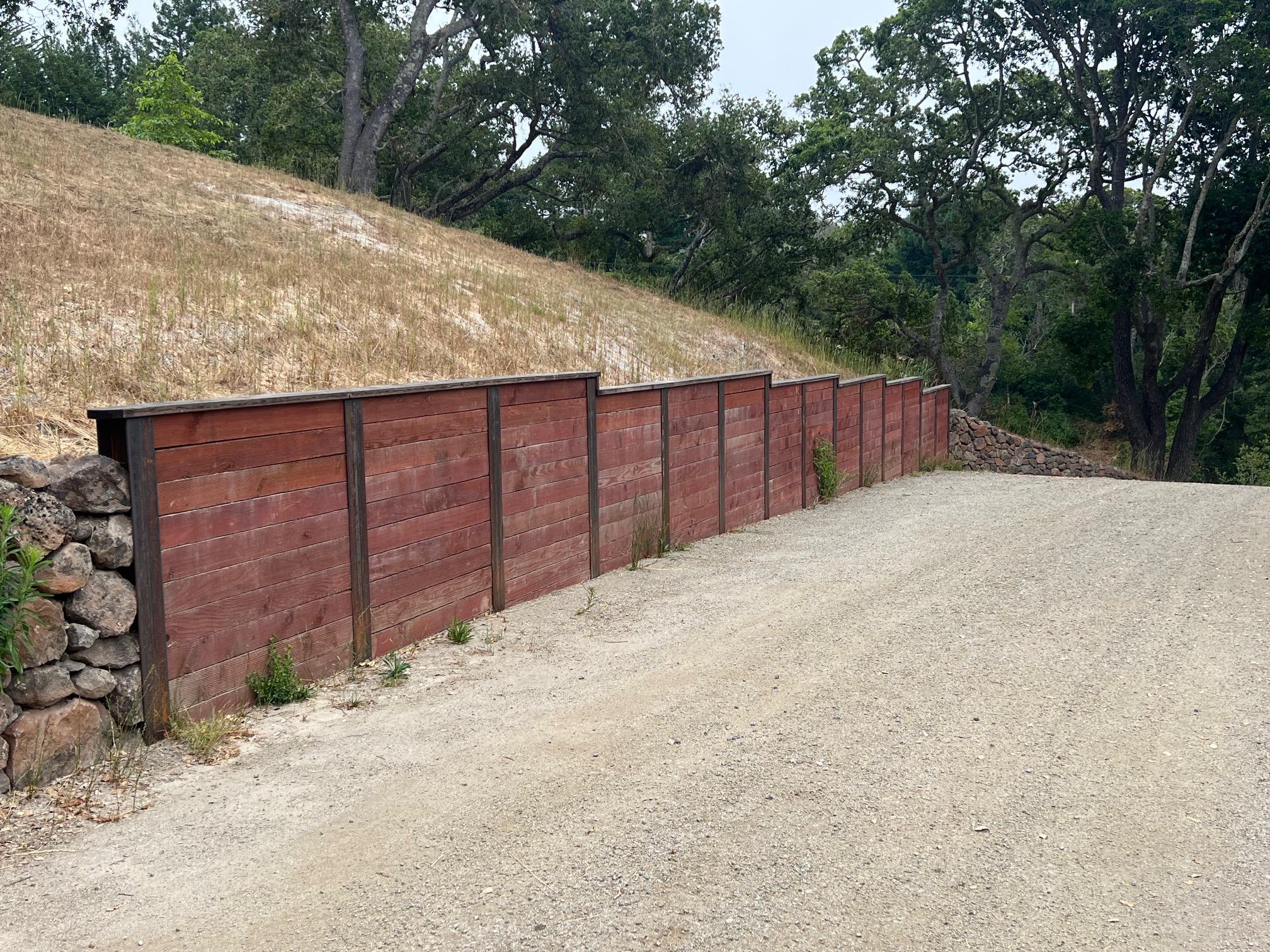
Retaining wall construction for a sloped yard creates level areas that improve function and safety. On steeper properties, walls may be tiered to reduce pressure and enhance appearance. The process begins with excavation into the hillside. Each tier is installed with proper setback so it can resist soil pressure effectively. When designing a retaining wall for a sloped yard, drainage planning is especially important because water naturally moves downhill.
Careful grading and well-planned retaining wall drainage details prevent water from collecting behind the structure. In some cases, reinforcement is added as part of the retaining wall construction process to stabilize taller or heavily loaded slopes. By building strategically on slopes, you gain usable outdoor areas for seating, gardens, or pathways.
What Causes Retaining Walls To Fail?
Most retaining wall failures are caused by water buildup behind the wall. When drainage is not installed properly, pressure from saturated soil can push against the structure, causing leaning, cracking, or shifting over time.
Other failures typically relate to installation issues rather than material quality. Common causes include inadequate preparation of the retaining wall base, poor compaction, building too high without engineering, and ignoring soil conditions. When retaining wall construction skips important steps, problems often appear within a few seasons. This is why retaining wall drainage details must be installed correctly from the beginning. Following the full retaining wall construction process helps prevent structural movement and premature wear.
Can Retaining Walls Be Integrated With Patios?
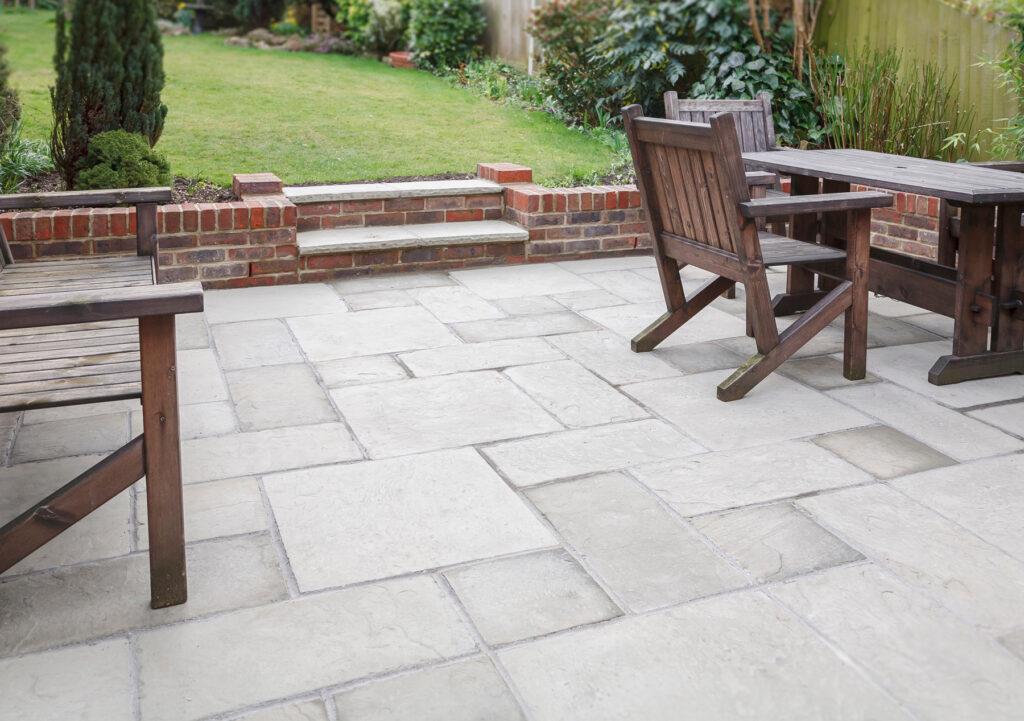
Yes. Walls are often integrated with patios, steps, and walkways to create cohesive outdoor living areas. When planned together, materials and elevations work in harmony. During retaining wall construction, the base preparation for adjacent patios must align with the wall’s structural support. Coordinating elevations ensures surfaces remain level and stable over time. If you are learning how to build a retaining wall step by step, remember that integration with other hardscapes should be considered early in the design. A coordinated approach results in cleaner transitions and long-term performance.
What Should You Expect During Construction?
During retaining wall construction, you can expect excavation equipment, material deliveries, and periodic compaction noise. The general sequence includes site preparation, excavation, base installation, wall assembly, drainage installation, and final grading. Clear communication is important throughout the retaining wall construction process. You should understand timelines, site access requirements, and how surrounding areas will be protected. With proper planning and workmanship, retaining wall construction proceeds in an organized and efficient manner. Retaining walls are often one part of a larger outdoor plan, which is why our “Landscape Design and Build Guide for a Complete Outdoor Living Space” outlines how structural elements support the overall layout of your property.
Understanding The Purpose And Value Of A Retaining Wall
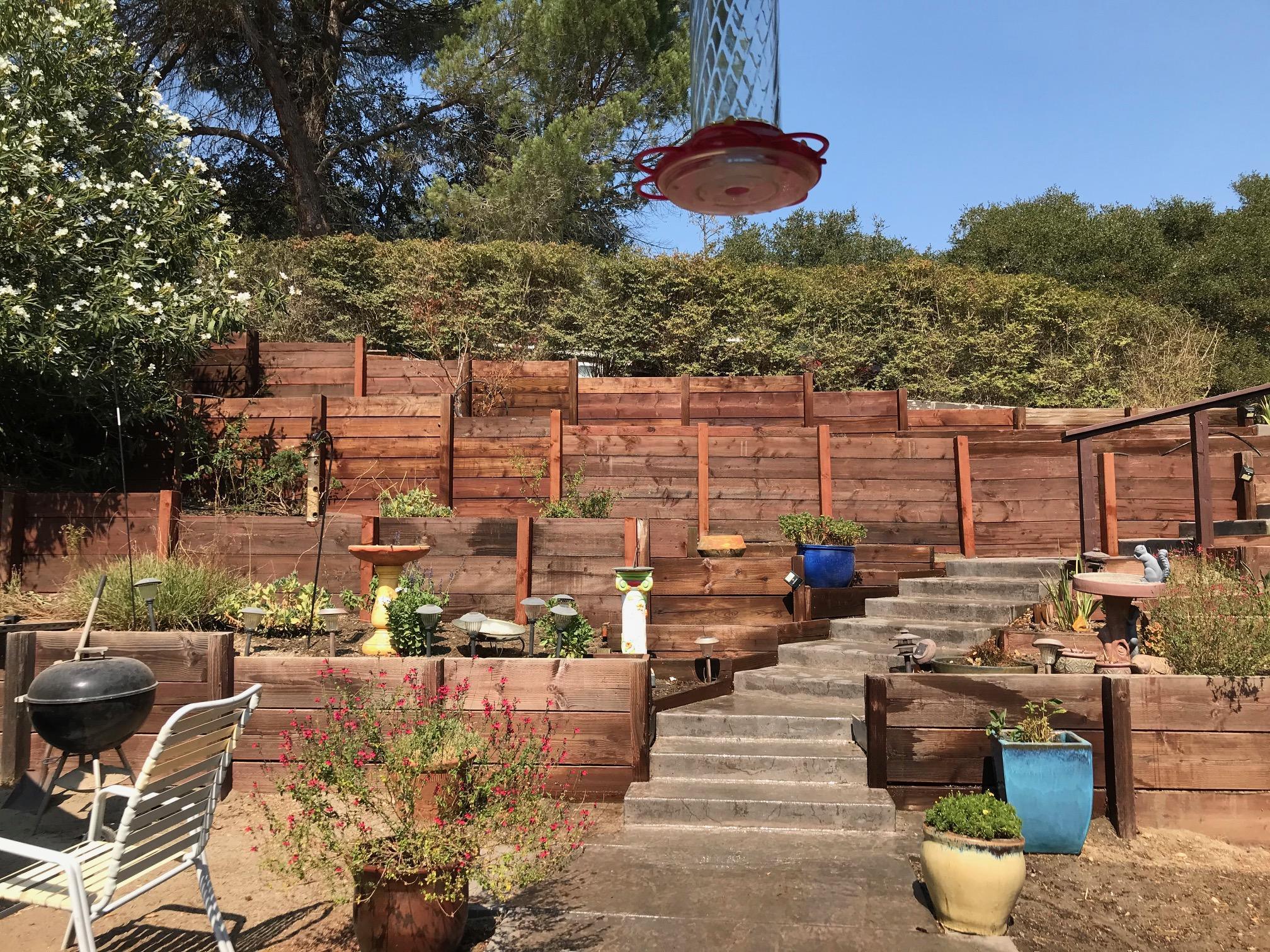
The purpose of retaining wall construction is to hold back soil and create stable, level ground. You may need one when your yard has steep grades, erosion issues, or limited usable space. By creating flat areas, retaining walls can create space for patios, planting beds, walkways, or lawn areas that would otherwise be difficult to use.
These structures work by resisting soil pressure through weight, setback, and, in some cases, reinforcement. Some walls are structural, especially when supporting loads from driveways or buildings. When designed properly, they not only stabilize the property but also improve how the landscape functions day to day.
There are several types of walls, including gravity, reinforced segmental, timber, and poured concrete systems. The best option depends on appearance, longevity, and how it fits within the overall landscape plan. Well-designed retaining wall construction can also contribute to property value. By improving drainage, expanding usable outdoor space, and supporting outdoor living areas, retaining walls often deliver a strong return on investment while enhancing the property’s long-term appeal.
Moving Forward With Confidence
When built with careful planning, proper base work, and well-executed drainage, a retaining wall can serve your property for decades. Retaining walls are often installed to create more usable space for people or planting areas, especially on sloped properties where level ground is limited. They can also improve drainage by directing water safely through the landscape while stabilizing soil.
Beyond their functional role, retaining walls contribute to a property’s overall aesthetics and lifestyle by shaping outdoor living areas and defining gathering spaces. They can also support property value, as well-built structural improvements often provide a strong return on investment over time. Understanding the retaining wall construction process helps you make informed decisions about materials, design, and engineering. If you would like professional guidance tailored to your property, the next step is to get an estimate.
Summary
Retaining wall construction provides structural support for sloped landscapes and improves drainage management. By following a proven retaining wall construction process with proper base preparation and installation, you gain long-term stability and usability for your outdoor space.

