
Landscape Designer vs Landscape Architect vs Contractor: Who’s Best For Your Santa Cruz Project?
Your yard might feel underwhelming compared with the beautiful gardens you’ve seen around Santa Cruz. Perhaps the slope of your property leaves you scratching your head, or drainage has become a constant hassle. The question isn’t simply whether you need professional help; the bigger challenge is deciding what kind of help will turn your vision into reality. That’s where understanding a landscape designer vs landscape architect comes into play.
For many homeowners, the differences between designers, architects, and contractors seem like semantic nitpicking. Yet the distinctions are meaningful because each profession has different training, licensing, and areas of expertise. Choosing the wrong professional can result in permitting issues, poor drainage, or a space that doesn’t work for your lifestyle. In this blog, you’ll learn how to match the right expert to your needs so you get a tailored solution without unnecessary costs or complications.
Landscape Designer vs Landscape Architect: Education & Licensing

A fundamental difference between a landscape designer vs landscape architect is education and licensing. Landscape designers often have horticulture training or a diploma in landscape design. Certification programs exist, but in many regions, including California, designers are not required to be licensed to create conceptual drawings. A designer’s primary focus is on the aesthetics of planting, garden layouts, and small outdoor spaces.
Landscape architects, by contrast, must meet stricter educational and licensing requirements. In most North American jurisdictions, they complete a bachelor’s or master’s degree in landscape architecture and must pass a state or provincial registration exam to use the title “landscape architect”. California’s Business and Professions Code defines the practice of landscape architecture broadly to include planning, research, design, preparation of construction documents, and oversight of grading, drainage, and irrigation systems. Because their role touches public health and safety, architects are bound by licensing laws and continuing‑education requirements.
Roles & Responsibilities of Landscape Designers
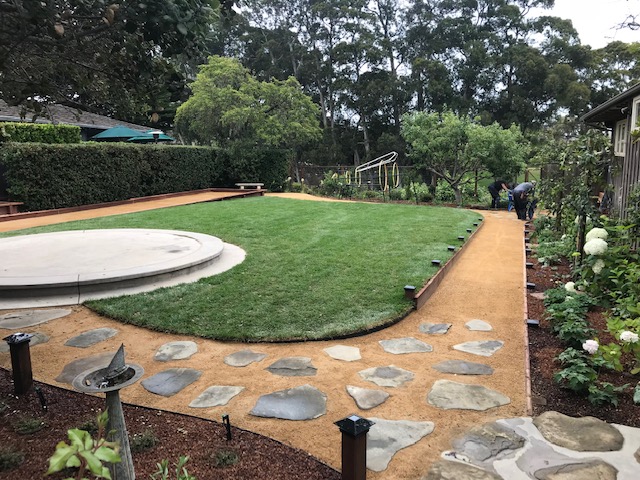
When comparing a landscape designer vs landscape architect, designers typically handle smaller projects that centre on beauty and personal enjoyment. Designers take photographs of your property, recommend plants based on your preferences, and accompany you to local nurseries to select materials. Their work calls for a solid understanding of horticulture and ecological principles, creative flair, and skill in visualizing how a space will look and feel.
Designers are best suited for:
- Enhancing curb appeal through garden beds, borders, and softscaping.
- Selecting appropriate trees, shrubs, perennials, and groundcovers for your micro‑climate.
- Creating intimate outdoor rooms, seating nooks, or garden pathways.
- Producing conceptual drawings to help you see how colors, textures, and forms will interact.
A landscape designer can bring artistry to your outdoor space and help you express your personal style. However, because designers do not usually produce construction drawings or manage complex grading, they should collaborate with architects or contractors when structural or regulatory issues arise.
Roles & Responsibilities of Landscape Architects

A licensed landscape architect’s work spans much more than plant selection. Legal statutes in California describe a landscape architect’s practice as providing professional services for “landscape preservation, development and enhancement,” including consultation, investigation, planning, and preparation of construction documents. They design pedestrian walkway systems, landscape irrigation, grading, and drainage plans, and supervise construction to ensure compliance with public safety standards.
Specific tasks of landscape architects include:
- Preparing detailed site plans and grading designs for properties with significant slopes or drainage issues.
- Ensuring structures like retaining walls, waterfalls, pools, and decks meet engineering and safety codes.
- Navigating building permits and compliance with local ordinances.
- Coordinating with civil engineers, surveyors, and environmental experts when projects intersect with protected habitats or require stormwater management.
- Leading projects involving public parks, green roofs, city planning, or large residential estates.
Because they carry legal responsibility for public safety, landscape architects must be both creative and technically proficient. Their deep training in engineering, ecology, and regulation makes them indispensable when your project extends beyond simple plantings or when it may impact neighboring properties or municipal infrastructure.
What Does a Landscape Contractor Do?
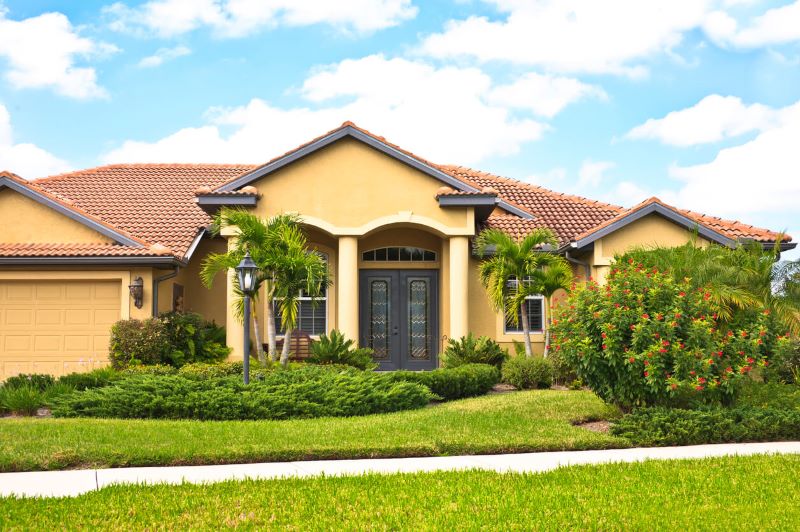
While designers and architects plan outdoor spaces, landscape contractors build and install them. A contractor is a licensed professional who turns conceptual designs into tangible environments, handling everything from land grading and patio construction to lighting installation. In California, these professionals are regulated under the C‑27 classification and must pass exams, carry insurance, and comply with safety and industry.
Typical tasks of a landscape contractor include:
- Landscape Design & Planning: Collaborating with a landscape architect or designer to review materials, develop timelines, and provide detailed estimates.
- Site Preparation & Grading: Clearing and leveling the site, assessing soil quality, correcting drainage issues, and grading surfaces to ensure proper water flow.
- Hardscape Installation: Building walkways, patios, retaining walls, stairs, decks, and outdoor kitchens; ensuring proper footing and long‑term durability.
- Softscape Installation: Installing trees, shrubs, perennials, turf, and groundcover while considering sun exposure, irrigation needs, and seasonal factors.
- Irrigation & Drainage Systems: Designing and installing efficient irrigation, French drains, or bioswales to manage runoff and water levels.
- Lighting & Electrical: Adding outdoor lighting to enhance safety and ambience (not shown above but typically part of a contractor’s scope).
Because contractors focus on construction, they ensure your project meets building codes, is executed safely, and lasts for years. Work costing more than $500 must be performed by a licensed contractor in California, so engaging one protects your investment.
When You Might Need a Landscape Designer in Santa Cruz

Santa Cruz’s Mediterranean climate and diverse microclimates call for carefully chosen plants and thoughtful layouts. A landscape designer’s localized plant knowledge is invaluable. Custom designers and architects in Santa Cruz County understand which native species thrive in the region’s dry summers and damp winters. Plants like California poppies, Santa Cruz Island buckwheat, and seaside daisies suit the climate and support biodiversity. If your project involves creating a sensory garden, colorful perennial beds, or a cozy seating area, a designer’s eye for texture and color will help you achieve a cohesive look.
You might hire a landscape designer when:
- You want to refresh your front garden with native and drought‑tolerant species.
- You’re seeking ideas for container gardens on a small patio or balcony.
- Your budget doesn’t require extensive engineering or structural work.
- You prefer to visualize options through sketches and concept boards before committing to construction.
Designers can also use 3D visualization tools to show you how your plan will look before any work begins. This makes it easy to explore color combinations, planting arrangements, and seating areas without committing to costly construction.
When You Might Need a Landscape Architect in Santa Cruz
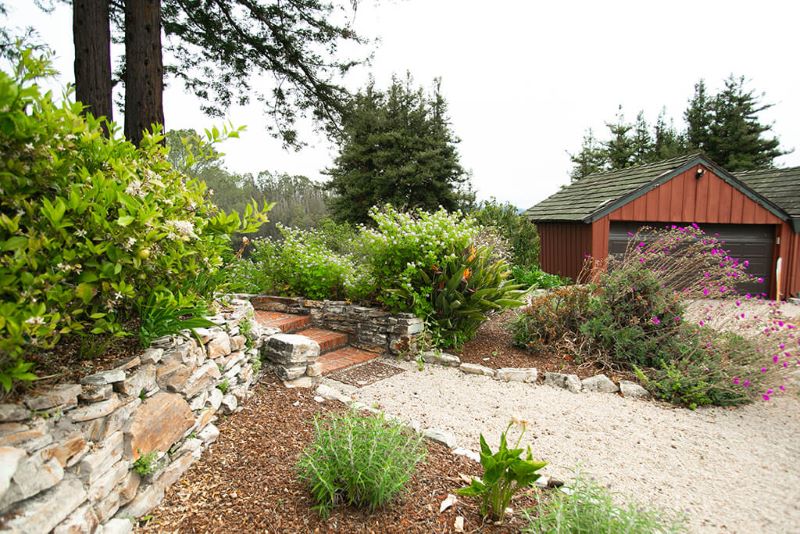
If your Santa Cruz property features steep slopes, drainage challenges, or large outdoor structures, a licensed landscape architect is essential. Their expertise in grading and hydrology ensures that retaining walls, terraces, and drainage systems are built safely and comply with local regulations. They’re also trained to navigate permitting for hillside development and coastal zone restrictions.
You should consider a landscape architect when:
- Your project involves retaining walls, pools, decks, or major hardscaping that requires engineering calculations.
- Drainage problems threaten your foundation or neighboring properties.
- You need to comply with local ordinances, coastal regulations, or homeowners’ association design guidelines.
- Your vision includes public‑use spaces or large estates where safe circulation and accessibility are critical.
Because architects are licensed, they can prepare detailed construction documents and coordinate with engineers and surveyors. This level of detail reduces surprises during construction and helps you gain approvals more quickly.
When You Might Need a Landscape Contractor in Santa Cruz
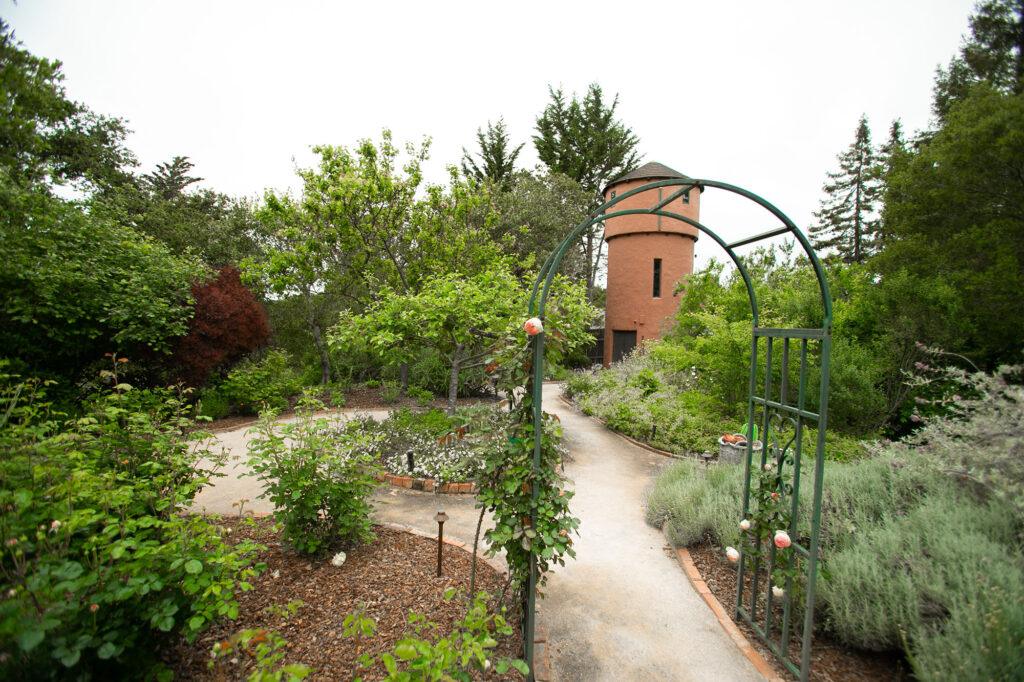
Once your design is complete, a contractor brings it to life. In Santa Cruz County, quality construction is significant because our soils and coastal climate present unique challenges. Contractors handle grading, drainage, and retaining walls, which are a must in hillside neighborhoods. They also build patios, decks, and outdoor kitchens that can withstand salty air and occasional heavy rains. The C‑27 license ensures your contractor has passed exams and meets legal and safety standards. You should hire a landscape contractor when:
- You’re ready to install the design created by your designer or architect.
- Your project includes building walls, patios, stairs, or other structures requiring permits.
- You need irrigation and drainage systems tailored to the microclimate.
- You want professional installation of plants, soil amendments, and mulch for long‑term health.
An experienced contractor will also coordinate with municipal inspectors to ensure that all work is up to code. They manage subcontractors, keep the project on schedule, and provide warranties on labor and materials. When done right, professional installation protects your investment and improves your property value.
How to Choose the Right Professional for Your Project
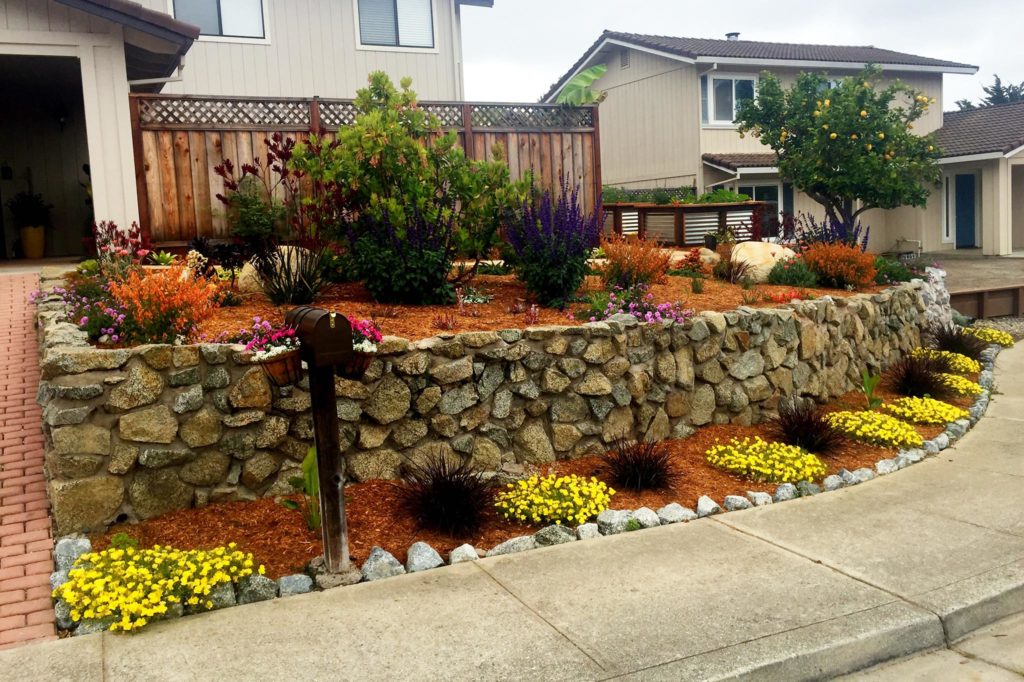
Deciding between a landscape designer vs landscape architect or hiring a contractor doesn’t have to be confusing. Consider the following steps:
- Define Your Goals: Are you seeking an aesthetic refresh, or does your project involve structural changes? If you’re focusing on plantings and décor, a designer may be all you need. If you need grading or engineering, an architect is essential.
- Assess the Site: Note slope, drainage issues, and any existing structures. Sites with steep grades or water problems often require an architect’s expertise.
- Determine the Budget: Designers can create beautiful spaces without extensive engineering, often at lower cost. Architects typically charge more due to the depth of their services, but their plans can save money during construction by preventing mistakes.
- Check Credentials: Verify licenses when hiring a landscape architect or contractor. Licensed professionals are accountable for public safety and legal compliance. Ask designers about their training and portfolio to ensure they have experience with projects similar to yours.
- Coordinate the Team: In many cases, you’ll benefit from all three professionals. A designer can help you visualize the aesthetic, an architect can manage technical and regulatory issues, and a contractor will build the project. Open communication among your team helps keep everyone aligned.
Why The Landscape Company’s Approach Works
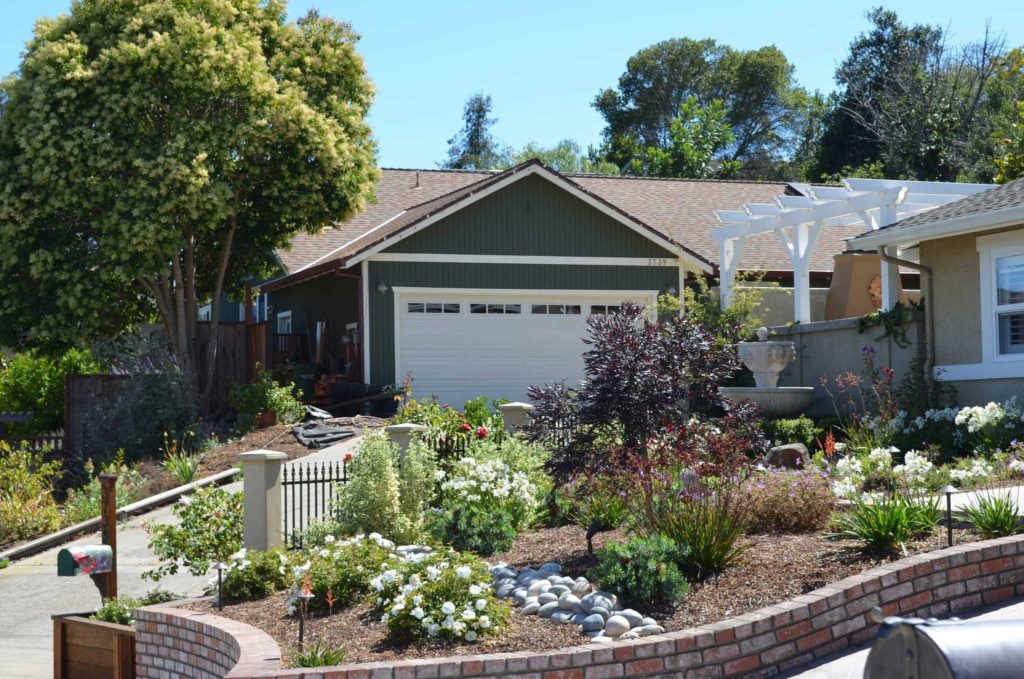
At The Landscape Company, you can count on Phil’s hands‑on leadership to match your project with the right expertise. After leaving a legal career to find more meaningful work, he now personally oversees each job and fine‑tunes every detail on site. His dedication means your outdoor space is crafted by someone who genuinely cares.
The Landscape Company’s team takes time to understand your needs and lifestyle, then brings together the right mix of designer, architect, and contractor. With a deep knowledge of native plants and sustainable practices, they ensure your landscape flourishes in Santa Cruz while making the process seamless by handling design, permits, and construction under one roof.
Phil left a legal career because he longed to build outdoor spaces where families could connect. Guided by a passion for nature and a commitment to fairness and dependability, he treats every project with genuine care, so partnering with The Landscape Company feels like working with people who truly value your home and community.
Wrapping Up Your Outdoor Project
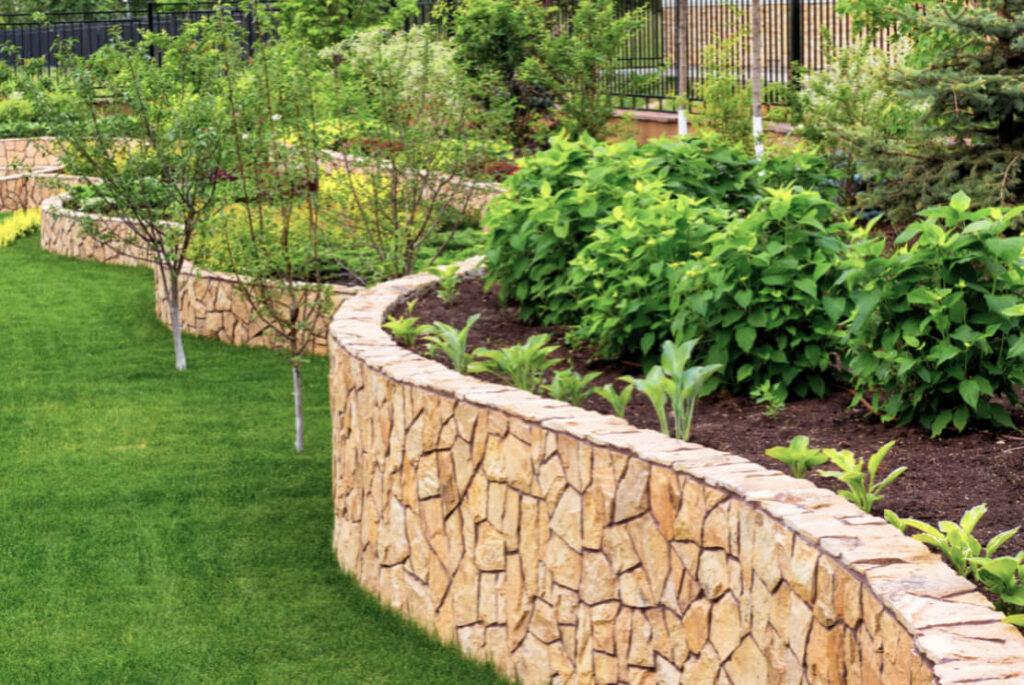
Understanding landscape designer vs landscape architect is more than a technical distinction; it’s the key to choosing the right professional and investing wisely in your Santa Cruz home. Designers bring artistry and plant knowledge to smaller projects, while architects apply rigorous training to complex structures and drainage issues. Contractors translate plans into reality, ensuring your outdoor space is built correctly and safely.
To get the best results, start by defining your goals, assessing your site, and determining the level of expertise you need. Then choose professionals with appropriate training and licenses. A thoughtful plan and experienced team will turn your yard into a functional and beautiful haven that reflects your lifestyle and withstands Santa Cruz’s climate.
Ready to start planning? Get an estimate and see how the right mix of designer, architect, and contractor can bring your outdoor vision to life.
Summary
This blog explored the nuances of landscape designer vs landscape architect, highlighting how education and licensure differentiate the two roles. Designers focus on plant aesthetics and small projects, while architects handle complex planning, grading, and drainage. The post also explained how landscape contractors translate plans into built environments, managing grading, hardscaping and installations. Guidance was provided on when to hire each professional in Santa Cruz and how The Landscape Company’s hands‑on, caring approach ensures each project is managed with integrity and expertise.

