
Landscape Design and Build Guide for Outdoor Living
You look out at your backyard and see potential. You also see slope, drainage issues, unused corners, and spaces that feel disconnected. You want a place where family gathers, from evening dinners around an outdoor grill to quiet mornings on a stone patio, the spaces you use most should feel intentional. Too often, outdoor projects are tackled piece by piece. A patio goes in one year. A retaining wall gets added later. Drainage is addressed after water shows up where it should not. The result can feel fragmented. That is where the intention landscape design and build make the difference. When every retaining wall, patio, walkway, deck, fence, and planting bed is planned together, your property works as one complete outdoor living space. You get structure, you get flow, you get durability, and you get a yard that feels natural to use every day. This guide walks you through how landscaping design and build shapes sloped properties, supports structural features, manages water, and creates cohesive outdoor living areas for high-end homes. If you would like to learn more about the full scope of our landscaping services, including patios and structural features, check our Landscaping Services for further details.
Designing Patios That Anchor Outdoor Living
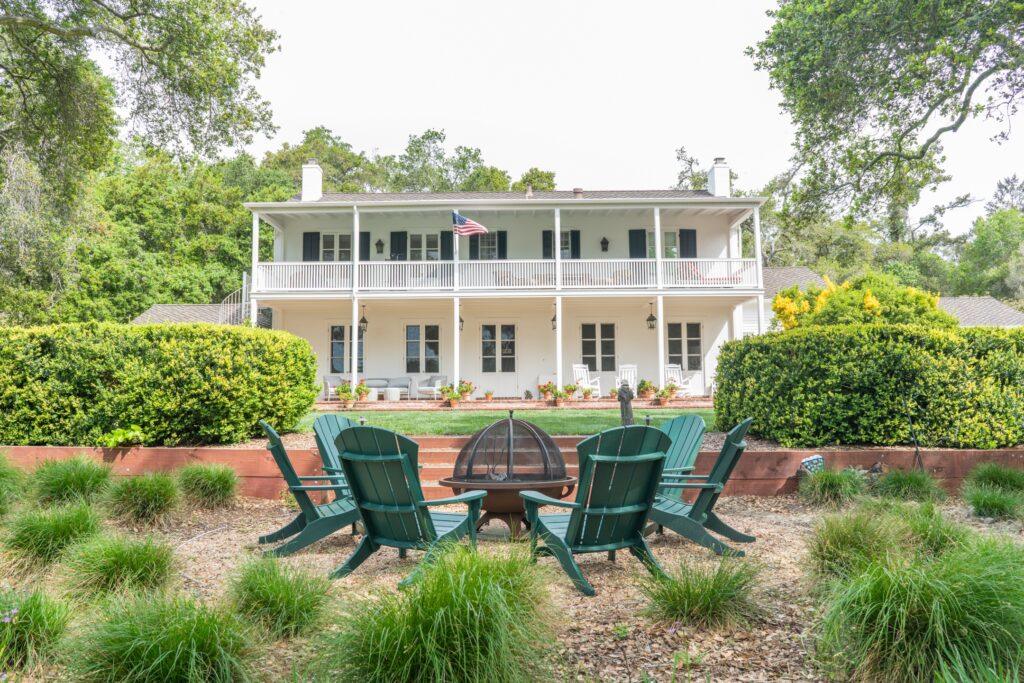
Patios are gathering spaces. They host dinners, quiet mornings, and long conversations. In a thoughtful design and build plan, patios are placed with intention. Their location considers sunlight, privacy, access from the home, and views across the yard, ensuring the space feels comfortable, practical, and naturally connected to daily life. The views available from a patio, whether across a garden, toward a pool, or out to the surrounding landscape, should be considered as carefully as sun exposure and access.
Patio Placement
Size Based On Real Use
Patios should reflect how you actually live, entertain, and spend time outdoors throughout the changing seasons. A dining table for eight requires different dimensions than a pair of lounge chairs placed for reading or evening conversation. In landscape design and build planning, your daily habits guide the footprint and help determine circulation space around furniture. Overly small patios feel cramped and restrict movement between seating areas. Oversized patios can feel empty and disconnected from the rest of the yard. Proportion truly matters.
Relationship To Walls And Decks
Patios often connect to retaining walls or raised decks. These relationships should feel natural and visually balanced rather than forced or disconnected. For example:
– A patio may sit at the base of a retaining wall with built-in seating.
– A deck may step down to a stone patio.
– A patio may extend from sliding doors while a wall supports the grade beside it.
When patio design and build are integrated into the full property plan, transitions are smooth, and the entire space feels cohesive.
Material Selection
Material choice influences durability and appearance. Options include flagstone, pavers, and exposed aggregate. In landscape projects for high-end homes, materials are selected to complement the home’s architecture and surrounding plantings.
Subtle Slope For Drainage
Every patio needs a slight slope. Water must move away from the home to prevent pooling and long-term surface damage. That slope will be subtle. You may not see it, but you will benefit from it every time it rains. When patio design and build are handled properly, drainage is built into the structure from the start, not corrected later. Patios anchor outdoor living. They define where people gather. In a complete design plan, patios connect seamlessly with retaining walls, decks, and walkways for unified flow.
How Walkways Connect The Entire Landscape
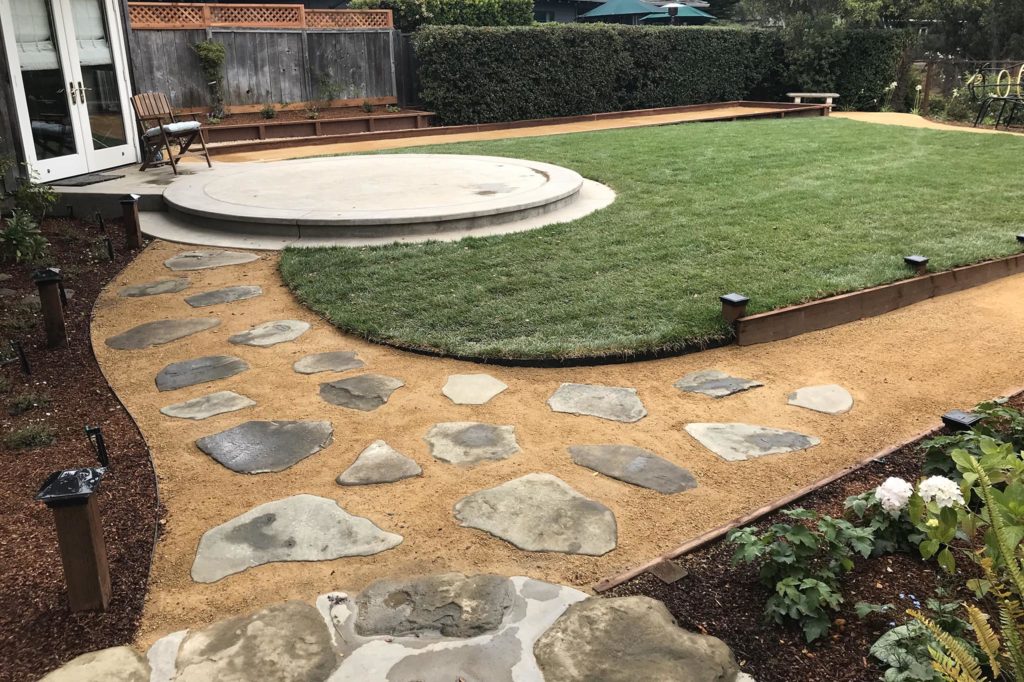
Walkways are often overlooked. Yet they control how you move through your property. In a cohesive landscape design and build project, walkways guide traffic and connect outdoor rooms.
Traffic Flow
Where do guests enter? How do you reach the garden? Is there a clear path from the driveway to the backyard? Walkway design ideas for backyards should consider natural movement patterns. Paths should feel intuitive. Straight lines work in formal spaces. Gentle curves soften larger yards.
Linking Patios, Decks, And Orchards
Walkways tie features together. They can: connect a deck to a lower patio, lead from the house to an orchard, wrap around a retaining wall, and link a fire feature to a dining area. In a thoughtful landscape approach, these connections are planned early.
Managing Elevation Changes
On sloped properties, walkways often include steps. Step designs must consider: riser height consistency, tread depth, handrail needs, and lighting integration. Walkway design ideas for backyards often include landings that double as small gathering points.
Integrating Decks Into The Overall Design
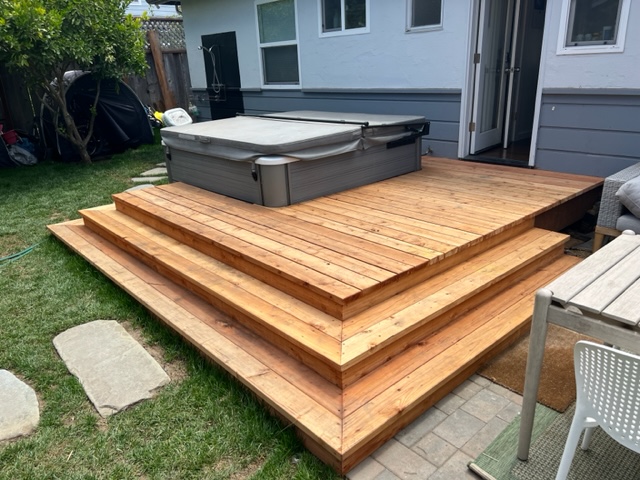
In landscape planning, decks are considered alongside patios and retaining walls. Their height, structure, materials, and connection points are evaluated early so the overall layout feels coordinated, stable, and thoughtfully integrated with the surrounding landscape features.
When A Deck Is More Appropriate Than A Patio
Decks work well for connecting different elevations in your yard. If the home sits above grade or the landscape slopes unevenly, a deck can help smooth out those changes while creating a functional outdoor space.
In some situations, a deck can also be a more cost-effective option than installing a patio that requires significant excavation, removal of soil, or the addition of a retaining wall. Extending from the home, a deck can expand your living space while offering elevated views and easier access to the yard.
Raised Decks For Sloped Yards
Raised decks reduce the need for extensive excavation. They can hover above grade while a lower patio sits below. Backyard deck design ideas often include: wide stairs to a patio, built-in seating, and glass or metal railings for open views. In a cohesive landscape plan, the deck and patio support each other.
Deck And Patio Combination Ideas
Some of the most functional outdoor spaces combine both. For example: a covered deck for shade, a stone patio for dining, and a walkway linking the two. Backyard deck design ideas should align with patio materials and retaining wall finishes.
Material Coordination
Deck materials may include redwood, ipe, or composite boards. The color and texture should complement stone patios and walls. When decks are integrated into the overall plan, they feel intentional rather than added later.
Using Fences To Define And Protect Outdoor Spaces
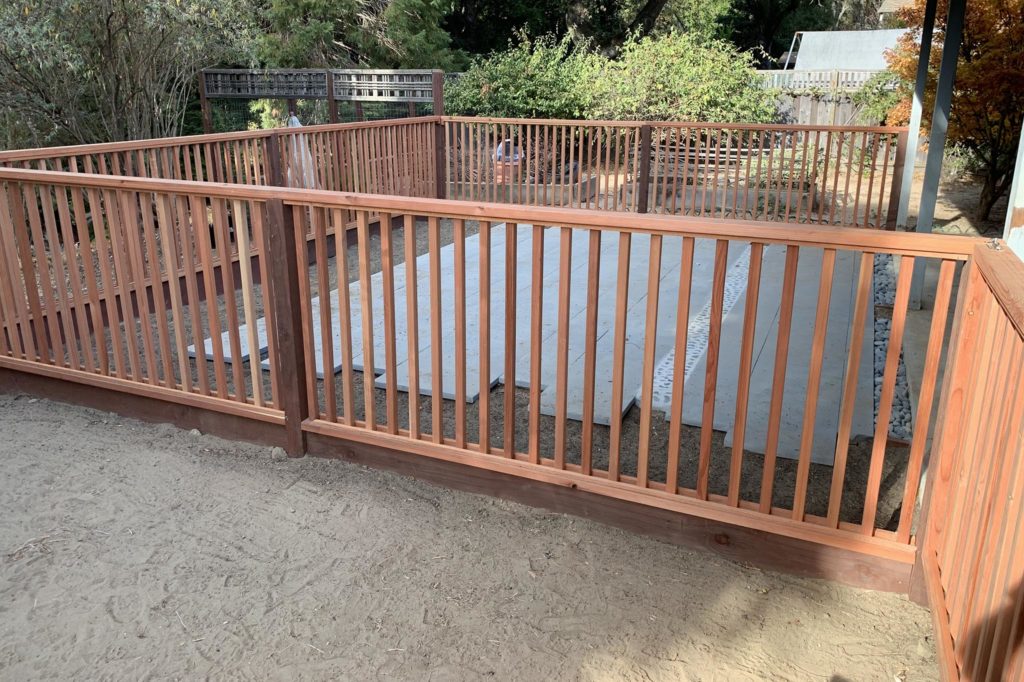
Fences offer privacy and structure. In landscape design and build projects, fences frame outdoor rooms.
Fence Design Ideas For Backyard Privacy
Privacy does not have to mean isolation. Fence design ideas for backyard settings can include horizontal wood slats, vertical board fencing, or louvered panels that provide screening while still allowing airflow.
Fences can also serve a practical purpose. They are a great option for safely containing children or pets while maintaining an open, comfortable outdoor space.
Common styles include good neighbor fencing, hogwire fencing, horizontal board fencing, and panels with a lattice or trellis top. Each offers a different balance of visibility, airflow, and character depending on the setting.
Modern Backyard Fence Ideas: Framing Outdoor Rooms
Modern backyard fence ideas often pair wood with metal posts or incorporate composite materials. The goal is clean lines and durability. Fences can define: pool areas, dining spaces, and garden zones. In a coordinated design and build plan, fences align with retaining walls and planting beds.
Material Selection
Common materials include red wood, metal, and composite. Fence designing ideas for backyard applications should reflect maintenance preferences and architectural style.
Integrating Fences With Planting And Lighting
Climbing vines soften fences. Shrubs create layered privacy. Lighting can wash along fence panels, adding depth at night. Modern backyard fence ideas work best when combined with thoughtful planting and lighting design. Fences protect. They also define boundaries with care.
Designing Softscapes: Trees, Plant Selection, And Orchard Planning

In landscape design and build planning, softscape is never secondary. Trees, shrubs, and perennials are not filler. They are living elements that shape how your outdoor space feels over time. When planting is considered early, it works with retaining walls, patios, and walkways instead of competing with them. You get shade where you need it, privacy where you want it, and seasonal interest that supports the overall layout.
Selecting Structural Trees First
Trees are anchors of the landscape. Large trees shape the entire yard, influencing shade patterns, patio comfort, sightlines, and privacy. Mature canopy trees define outdoor rooms just as much as retaining walls do. Their height and spread affect how enclosed or open a space feels. In landscape design and build projects, structural trees are positioned first because everything else responds to them. Trees must be positioned before patios and walkways are finalized. Their root zones need protection. Their future growth must be anticipated. A tree planted too close to a patio can create lifting issues years later. Proper placement protects both your investment and the health of the tree.
How Trees Affect Patios And Lighting
Tree placement affects overhead clearance, leaf drop, and uplighting placement. Branches over a patio can provide welcome shade in summer. In autumn, leaf drop must be considered for maintenance. In a thoughtful landscaping project, tree roots are protected during construction. Equipment movement is controlled. Soil compaction is minimized. When lighting is added, uplights are positioned to highlight the trunk and canopy without overpowering the space. Trees and lighting should complement each other, creating depth and warmth in the evening.
Softscapes Help Regulate Temperature
Softscape elements also play an important role in temperature control throughout your landscape. Hardscape materials like stone, concrete, and pavers absorb heat during the day and can become quite warm in direct sunlight. When trees, shrubs, and planting beds are incorporated around patios and walkways, they help shade these surfaces and reduce heat buildup. As a result, outdoor living areas remain more comfortable during warmer months.
Planting also cools the surrounding environment through natural processes. Leaves provide shade while plants release moisture into the air through transpiration, which can lower the ambient temperature around patios and seating areas. This natural cooling effect helps balance the warmth created by hardscape surfaces.
Beyond temperature control, softscapes bring proportion, color, and movement to a landscape. Hard surfaces provide structure, but planting adds life and visual balance. Seasonal blooms introduce color changes throughout the year, ornamental grasses add gentle movement with the wind, and flowering plants can bring fragrance into outdoor spaces. When thoughtfully integrated into landscape design and build planning, softscapes soften hard edges, cool surrounding surfaces, and create a more comfortable and engaging environment.
Layered Planting Design
A layered approach includes canopy trees, understory trees, shrubs, perennials, and groundcover. This layering creates depth and seasonal interest. It also helps with erosion control on sloped properties. Lower plantings stabilize soil around retaining walls and soften hard edges along walkways. In landscape design and build planning, layered planting ensures that each level of the yard feels intentional. Tall elements anchor the space. Mid-level shrubs provide structure. Lower plantings add texture and color close to patios and paths.
Soil Considerations
Healthy soil supports long-term growth. Amendments may be needed depending on site conditions. Clay-heavy soil may require organic matter. Sandy soil may need improved moisture retention. Landscape projects often include soil preparation before planting begins. Testing, grading, and proper base preparation all contribute to stronger root systems. When soil is addressed properly, trees and shrubs establish more quickly and remain resilient through seasonal changes.
Installing An Orchard With Intention
There’s something grounding about picking fruit from your own yard and bringing it to the table. A well-placed orchard makes that part of everyday life, not just a seasonal surprise. If you want fruit trees, spacing and access matter. An orchard should feel like part of the overall plan, not tucked into a leftover corner. An orchard area should consider sun exposure, irrigation, and harvest pathways. Planting enhances the structure created by retaining walls and patios. It softens edges and brings balance.

Spacing, Irrigation, And Access
Proper spacing allows each tree to mature without overcrowding. When trees are planted too closely, they compete for light, nutrients, and airflow. Adequate distance between trunks improves air circulation, which helps reduce disease risk and supports stronger fruit production over time. Irrigation must be planned so that water reaches the root zone consistently without saturating the surrounding soil. Drip systems are often preferred because they deliver steady moisture directly to the base of each tree while limiting waste. Access is just as important. You need clear pathways for pruning, harvesting, and seasonal maintenance. Allow enough room to move comfortably between rows, especially if ladders or garden carts are required. When spacing, irrigation, and access are thoughtfully coordinated, your orchard becomes both productive and easy to care for.
How Outdoor Lighting Completes The Experience
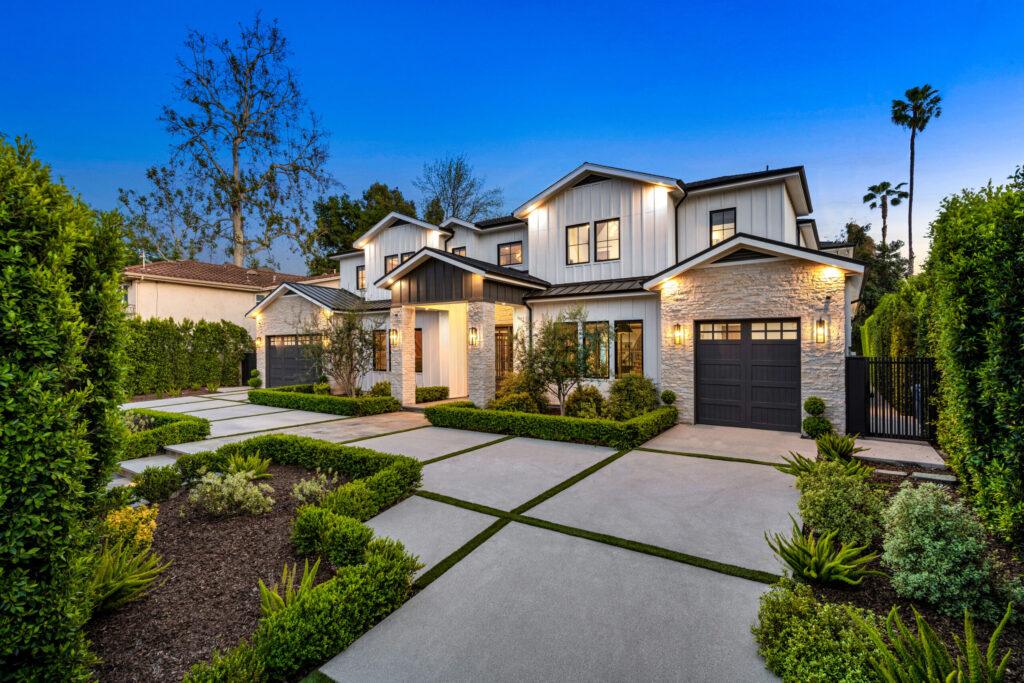
Lighting extends the use of your yard. In landscape design and build projects, lighting is planned early so fixtures, wiring, and transformer locations are coordinated with hardscape and planting.
Path Lighting For Safety, Retaining Wall Lighting, and Tree Uplighting
– Low-level lights along walkways help bring visibility to potential tripping hazards. They also guide guests naturally through the space. Placed with consistent spacing, they create rhythm without drawing attention to the fixture itself.
– Soft lighting can highlight wall texture. This adds depth without glare. When fixtures are recessed beneath caps or tucked into planting beds, the effect feels refined and intentional.
– Uplights placed at the base of trees create dramatic but subtle effects. They emphasize structure in the landscape. Branch patterns, bark texture, and canopy shape become part of the evening atmosphere.
Patio And Deck Lighting: Subtle Illumination Improves The Space At Night
Deck step lights and patio perimeter lighting increase comfort and safety after dark. In landscape design and build planning, wiring is concealed during construction, so fixtures integrate cleanly into the space. Lighting placed beneath railings or seat walls can create a soft glow without relying on harsh overhead fixtures.
Lighting placed along fences creates shadow patterns that add depth and visual interest at night, turning a functional boundary into part of the evening atmosphere.
Thoughtful lighting also expands your field of vision from inside the home. When outdoor spaces are illuminated, the view beyond your windows becomes part of the evening experience, making interior rooms feel larger and more connected to the landscape.
Uplighting trees adds height and depth to the yard, highlighting the structure of trunks and canopies at night. If your property has a strong view, subtle lighting along fences or property edges can frame the landscape without distracting from it. Rather than relying on brightness, well-placed fixtures create gentle layers of light across stone, wood, and greenery. The result is a backyard that feels calm, welcoming, and easy to enjoy well into the evening.
Why Drainage Is Integrated Into The Design
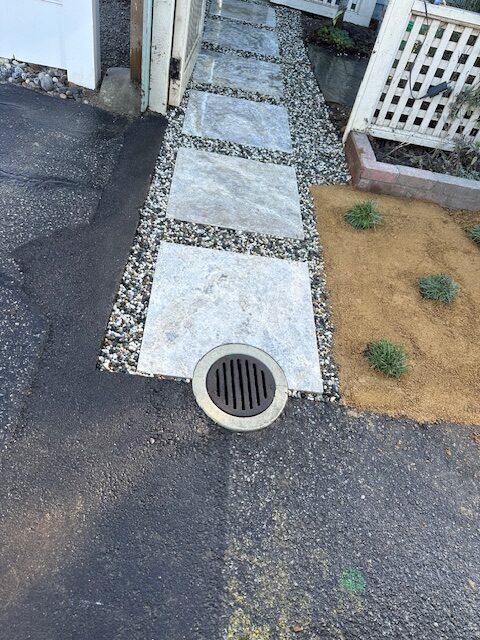
Drainage protects your deck or patio. In a complete landscape project, water management is woven into every decision. Our projects commonly incorporate solutions such as French drains, curtain drains, surface drains, and channel drains to manage water effectively across the property.
Proper drainage planning prevents shifting soil, cracked patios, saturated planting beds, and long-term structural damage. Without it, even the most carefully installed features can fail over time.
Some important considerations include:
Patio Slope – Patios are built with a slight pitch away from the home. Water flows towards your lawn or drainage systems. This slope is subtle but essential. It keeps standing water from collecting on the surface and reduces the risk of ice buildup during colder months.
Retaining Wall Drainage – The retaining wall construction process includes gravel backfill and drain pipe. This prevents pressure buildup. By relieving hydrostatic pressure behind the wall, the structure remains stable and performs as intended for years.
Grading Away From Structures – Soil should slope away from foundations. This reduces moisture issues. Proper grading protects basements, crawl spaces, and structural footings from unnecessary exposure to water.
Downspout Routing – Downspouts can be directed underground and away from patios. Extensions and buried lines help carry roof runoff safely toward designated discharge points.
Managing Water Flow On Sloped Yards – On sloped properties, swales or drains guide water safely downhill. Landscape design and build planning ensure water moves predictably across the property, even during heavy rainfall or rapid snowmelt. Drainage may not be visible. But it protects everything you see.
How Retaining Walls Shape Sloped Yards
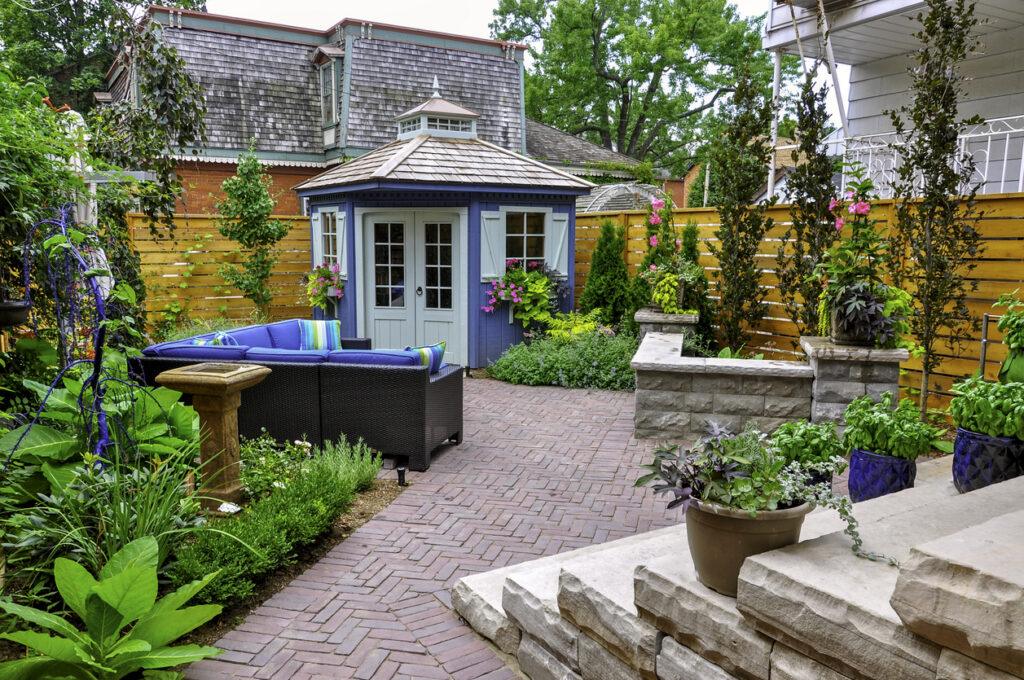
Sloped properties are common. They offer views and character, but they also create challenges. Without structure, slopes reduce usable space, increase erosion, and make it harder to place patios or gathering areas where you want them. A strong landscape plan starts with understanding grade changes. Retaining walls reshape the yard into level areas, creating safer access, clearer transitions, and functional outdoor rooms built for long-term use. If you would like to explore structural options and materials in more detail, visit our Retaining Wall Services for further information.
Creating Level Outdoor Rooms
Retaining walls carve usable areas out of sloped terrain. Instead of one long incline, you gain defined levels. These levels create structure and purpose within your yard, allowing you to introduce patios, planting beds, seating areas, or lawn space that would otherwise be difficult to build on a slope. By breaking the grade into manageable sections, your property becomes easier to navigate and far more functional for everyday use. These levels can support: dining patios, lounge areas, play spaces, and garden beds. When reviewing retaining wall design ideas, think about how you want to use each level. A lower terrace may feel private and sheltered. An upper terrace may connect directly to your home.
Supporting Patios
Many patios depend on retaining walls for stability. Without proper support, soil movement can compromise hard surfaces over time. Heavy rainfall, and settling soil can cause shifting, cracking, or uneven areas that affect both appearance and safety. In a complete landscape design and build approach, patios and retaining walls are designed together. The wall is not an afterthought. It is a structural backbone. Elevations, base preparation, and drainage details are coordinated from the start so each element supports the other properly. If you would like to explore material options, layouts, and construction details in greater depth, visit our Custom Patio Services for further information.
Managing Elevation Changes
Grade transitions affect everything from sightlines to safety. Retaining walls create clear edges and steps between levels. They help define where one outdoor room ends, and another begins, making movement through the yard feel intentional and secure. This is also where thoughtful retaining wall design ideas improve aesthetics. Natural stone, textured concrete, or modular block can echo the architecture of your home. Wall height, cap detail, and integrated lighting all matter, contributing to a finished look that feels cohesive rather than purely structural.
Integrating Drainage Behind Walls
The retaining wall construction process must include drainage. Without it, hydrostatic pressure builds behind the wall and can lead to cracking, leaning, or premature failure. Proper construction includes: compacted base preparation, drainage aggregate, perforated drain pipe, filter fabric, and grading that directs water away. Each layer plays a role in relieving pressure and managing moisture. A strong design and build strategy ensures that drainage is hidden but effective, protecting the wall while maintaining a clean, finished appearance.
Preventing Erosion
Retaining walls hold soil in place. On sloped properties, they prevent washouts during heavy rain. They reduce erosion, control runoff, and protect lower areas of your yard from shifting ground. When retaining walls are installed with care, they stabilize the land for decades. That stability allows patios, walkways, and plantings to remain secure and level through seasonal changes. In short, retaining walls shape the framework of your outdoor space. Everything else builds confidently from there.
What Happens During A Site Visit And Design Review?
Bringing It All Together
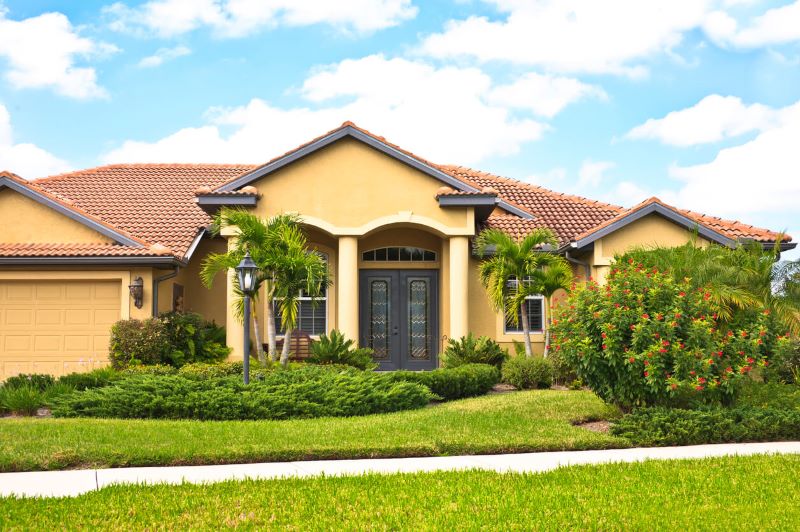
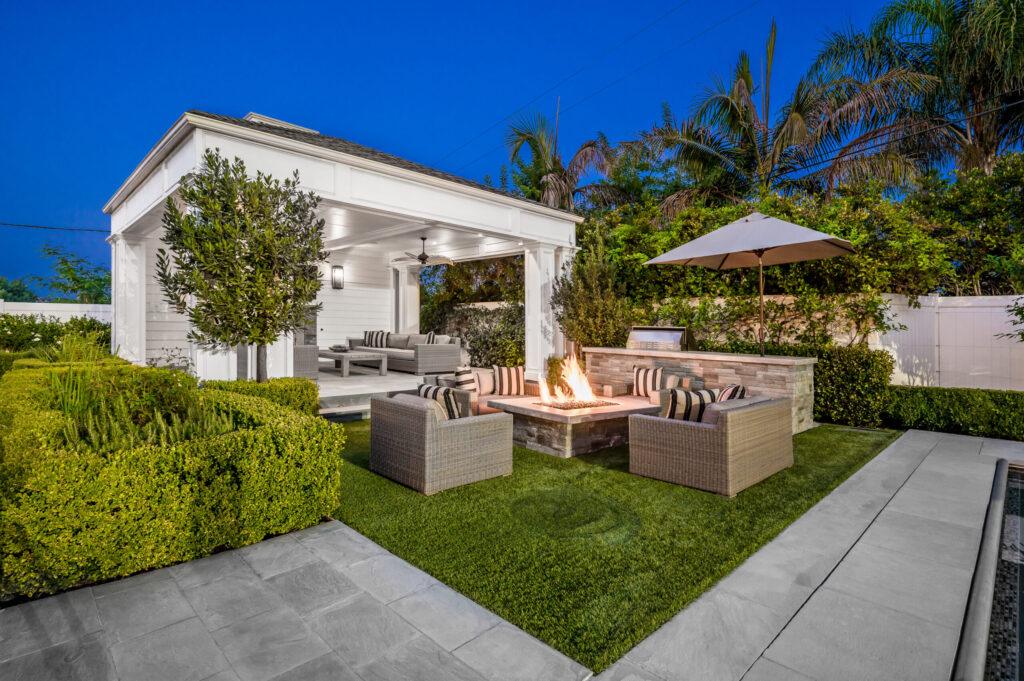
A complete outdoor living space does not happen by accident. Retaining walls create level areas. Patios anchor gathering zones. Walkways guide movement. Decks provide elevation. Fences frame privacy. Planting softens the structure. Lighting extends use. Drainage protects it all. When these elements are planned together through landscape design and build, your property works as a unified whole.
Material choice also plays a major role in the final result. The stone, wood, and finishes selected for each feature influence how the space looks, feels, and performs over time. When materials are chosen thoughtfully, patios connect naturally with walkways, retaining walls complement surrounding planting, and decks blend smoothly with the home and landscape. The result is a yard where every element feels cohesive rather than separate.
You gain outdoor living space design ideas grounded in structure and practicality. You see how retaining wall design ideas shape sloped yards. You understand how to plan a backyard patio layout that supports real use. You explore walkway design ideas for backyards that connect each feature. You consider backyard deck design ideas that respond to grade. You review fence design ideas for backyard privacy that frame space without closing it off. Every element supports the next. If you are planning structural improvements to your property, thoughtful landscape design ensures that each decision strengthens the overall plan. When you are ready to take the next step, get an estimate.
Summary
This guide explains how landscape design and build bring retaining walls, patios, walkways, decks, planting, lighting, and drainage together into one cohesive outdoor living plan. Instead of approaching each feature separately, you see how every element supports the next. Retaining walls manage grade changes so patios can sit level and secure. Walkways connect gathering areas with comfort and clarity. Decks respond to elevation and extend living space outward from your home. Planting softens structural lines and adds seasonal interest. Lighting enhances safety and atmosphere. Drainage protects the entire investment, ensuring your outdoor space performs as beautifully as it looks for years to come.

